NFSI

Fire Audit vs Fire Drill – Key Differences, Compliance & Safety in India

Introduction

In many organizations, the terms fire audit and fire drill are often used interchangeably. This misunderstanding can create serious safety and compliance gaps.

Although both play vital roles in fire safety management, they serve fundamentally different objectives.

Understanding the distinction is crucial for industries, offices, institutions, and commercial establishments.

What is a Fire Audit?

A fire audit is a structured technical assessment of a building, facility, or industrial premises conducted by qualified fire and safety professionals.

It focuses on evaluating:

  • Fire protection systems
  • Equipment condition & placement
  • Hazard identification
  • Electrical and operational risks
  • Compliance with safety norms


The primary goal is risk prevention.

A fire audit identifies weaknesses before they result in emergencies.

Fire safety equipment inspection during professional fire audit

What is a Fire Drill?

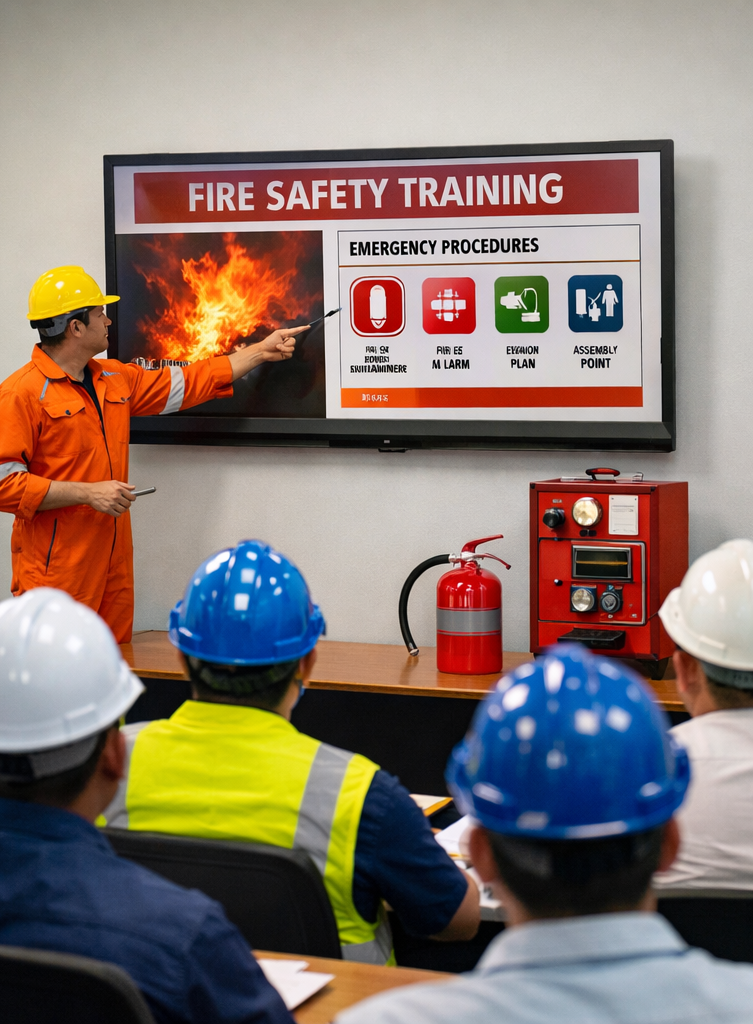
A fire drill is a simulated emergency exercise designed to evaluate how occupants respond to a fire scenario.

It typically involves:

  • Alarm activation response
  • Evacuation practice
  • Emergency exit usage
  • Fire warden coordination
  • Extinguisher handling demonstration


The main goal is emergency preparedness.

Fire drills train people, not systems.

Mock fire drill exercise for workplace emergency preparedness

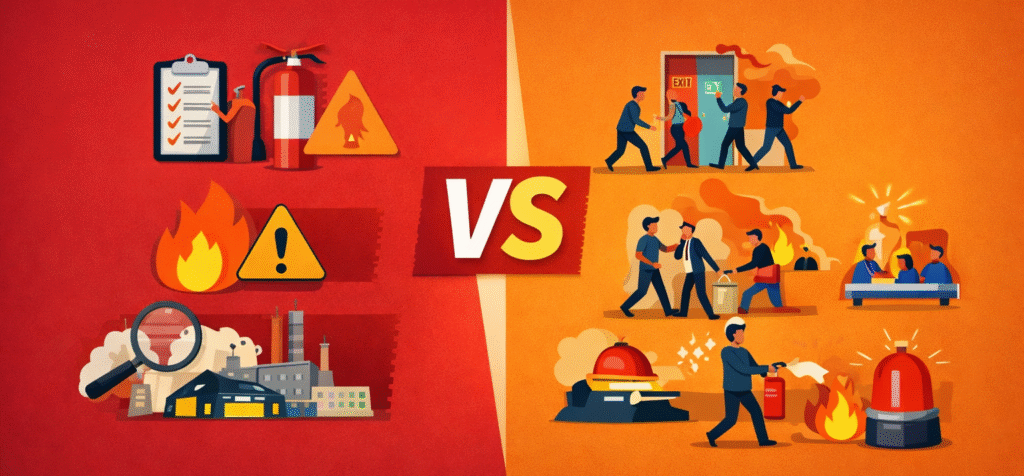
Fire Audit vs Fire Drill – The Core Difference

Both are essential, but they evaluate different aspects of fire safety.

Fire AuditFire Drill
System & infrastructure evaluationHuman response evaluation
Technical & preventivePractical & behavioral
Identifies hazards & failuresTests emergency reactions
Conducted by safety expertsInvolves all occupants

Why Organizations Need Both

Relying on only one creates vulnerabilities.

Without fire audits:

  • Hidden hazards remain
  • Equipment issues go unnoticed
  • Compliance risks increase


Without fire drills:

  • Panic during emergencies
  • Poor evacuation response
  • Increased injury risk


True fire safety requires both prevention and preparedness.

Difference between fire audit and fire drill in workplace safety

Compliance Perspective in India

Indian safety regulations and industry best practices increasingly emphasize:

  • Functional fire protection systems
  • Periodic safety assessments
  • Emergency response readiness
  • Employee safety training


Organizations ignoring audits or drills may face regulatory complications, insurance challenges, and operational risks.


Conclusion

  • A fire audit helps prevent incidents.
  • A fire drill helps manage incidents.
  • Both are non-negotiable components of responsible safety management.

National Fire Safety Institute

We Offer Training For Fire Safety

Disclaimer:
This blog post is for informational purposes only and is not a substitute for professional fire safety advice. Always consult with experts for specific safety recommendations and guidance.

We hope you found this information helpful. Stay safe and be prepared!

Tags :
fire audit meaning,fire drill compliance India,fire safety requirements India,industrial fire safety audit,mock fire drill workplace
Share This :

Leave a Reply

Your email address will not be published. Required fields are marked *

Related Blogs