NFSI

Top 10 Fire Safety Practices Every Workplace Must Follow

Top 10 Fire Safety Practices Every Workplace Must Follow

Workplace accidents can cost lives & businesses. A single incident can halt operations, damage reputation, and destroy years of hard work within minutes. Keeping the workplace safe is not just a managerial duty – it’s a shared responsibility where employees feel protected, valued, and empowered to give their best, ensuring smooth operations. Whether a small office or a multi-storeyed commercial building, every organization must adopt consistent fire safety practices.

Here are the top 10 fire safety guidelines every company must adopt to protect people, property, and productivity.

Essential Fire Safety Measures For The Workplace

Strong fire safety protocols create safer environments. Following these safety measures serves as a strong foundation for workplace safety and peace of mind.

1. Conduct Regular Fire Risk Assessment

What To Do:
  • Carry out scheduled inspections of wiring, equipment, and storage areas.
  • Identify potential fire hazards such as overloaded plugs, faulty appliances, or combustible clutter.
  • Engage certified professionals for in-depth safety audits.
  • Keep detailed records of assessments and ensure remedial measures are taken.
Why It Matters:
  • Helps detect hazards before they escalate.
  • Minimizes risk of unexpected incidents.
  • Reduces downtime caused by fire-related accidents.
  • Creates a safer, more compliant workplace environment.

2. Install & Maintain Fire Detection and Alarm Systems

What To Do:
  • Equip your workplace with smoke detectors, sprinklers, and alarm systems.
  • Schedule regular maintenance checks to ensure functionality.
  • Conduct monthly testing of alarm systems.
  • Install backup power systems to keep alarms active during outages.
Why It Matters:
  • Early detection saves lives.
  • Alerts employees immediately, reducing response time.
  • Helps minimize property damage.
  • Boosts confidence in workplace safety measures.

3. Keep Fire Extinguishers Accessible & Functional

What To Do:
  • Place extinguishers in easily accessible locations across the workplace.
  • Use the right type (water, foam, CO₂, or dry powder) for different fire risks.
  • Train employees on how to operate extinguishers correctly.
  • Inspect and service extinguishers annually.
Why It Matters:
  • Empowers employees to control small fires before they spread.
  • Prevent panic during emergencies.
  • Reduces dependency on external responders for minor incidents.
  • Meets safety and insurance requirements.

4. Ensure Clear & Unblocked Emergency Exits

What To Do:
  • Keep hallways, staircases, and exits clear of clutter.
  • Install illuminated exit signs for visibility.
  • Regularly inspect doors to ensure they aren’t locked or blocked.
  • Provide alternate routes in case one exit is inaccessible.
Why It Matters:
  • Enables fast and safe evacuation.
  • Reduces injuries caused by confusion and crowding.
  • Prevents legal penalties for non-compliance.
  • Builds confidence among employees during drills and real emergencies.

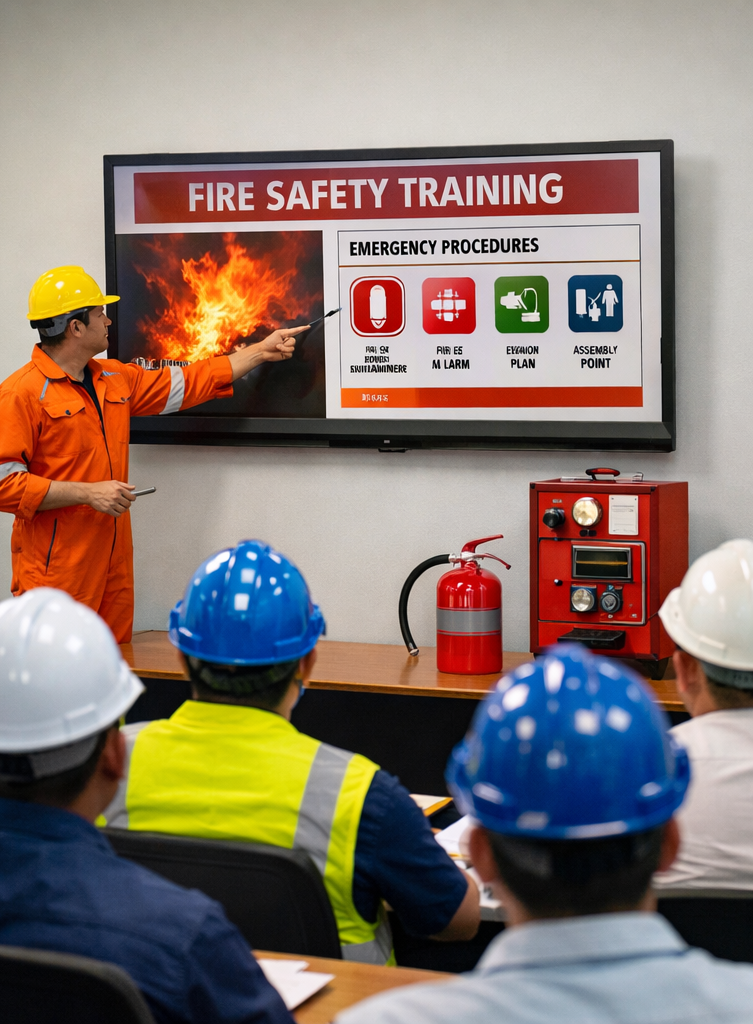
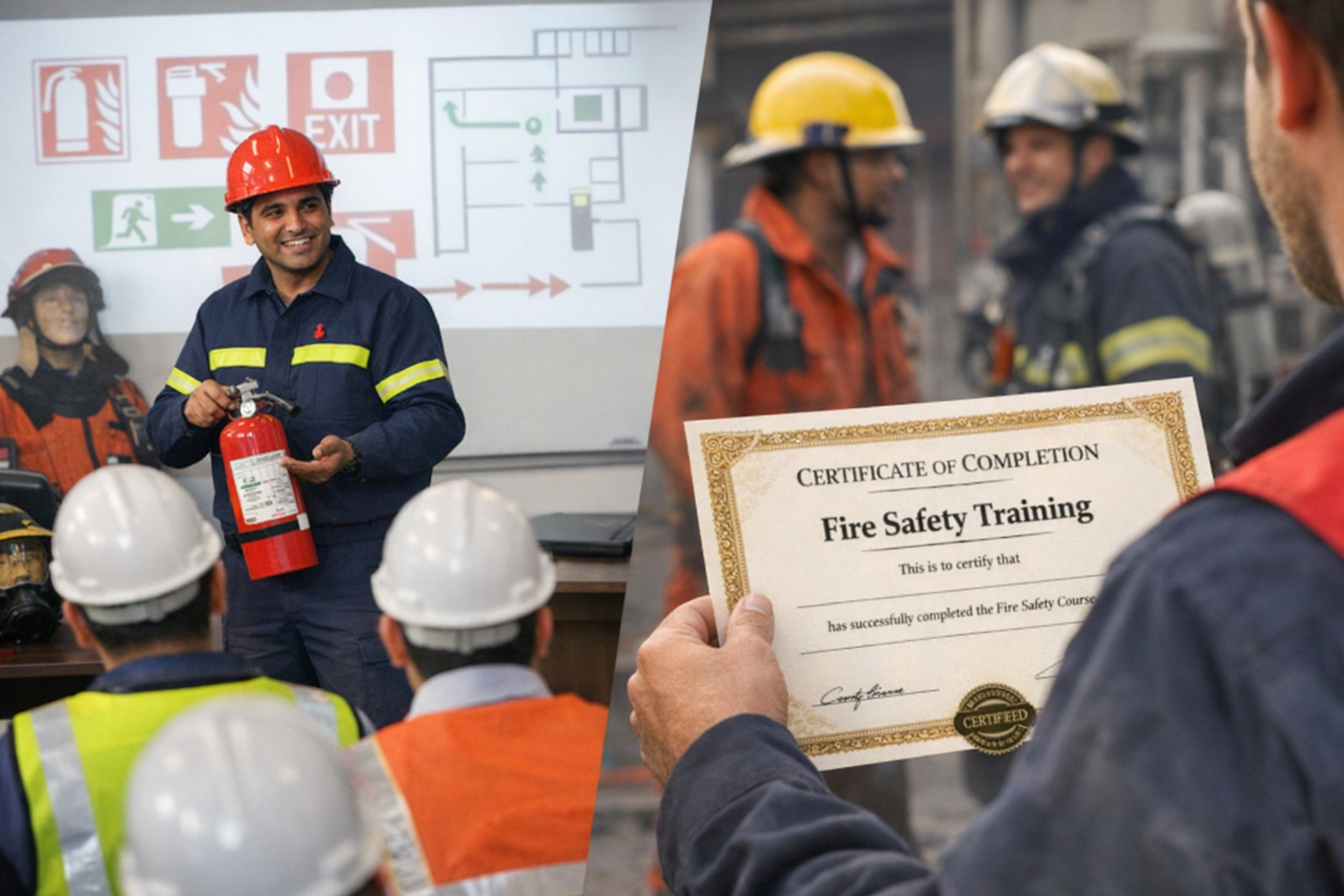
5. Train Employees in Fire Safety Procedures

What To Do:
  • Conduct fire drills at least twice a year.
  • Train staff on using extinguishers and alarms.
  • Assign fire wardens with clear responsibilities.
  • Educate employees about evacuation routes and assembly points.
Why It Matters:
  • Creates a confident, well-prepared team.
  • Reduces panic in real emergencies.
  • Ensures quick evacuation and fewer casualties.
  • Encourages shared responsibility for workplace safety.

6. Store Flammable Materials Safely

What To Do:
  • Keep chemicals and combustibles in fireproof cabinets.
  • Label hazardous substances clearly.
  • Store away from heat sources and direct sunlight.
  • Train staff in safe handling and disposal practices.
Why It Matters:
  • Reduces the chance of accidental ignition.
  • Protects employees working near hazardous substances.
  • Prevents chain reactions during small fires.
  • Complies with workplace safety regulations.

7. Maintain Electrical Safety Standards

What To Do:
  • Schedule routine inspections of wiring and equipment.
  • Replace faulty appliances immediately.
  • Avoid overloading circuits and using unsafe extensions.
  • Hire only certified electricians for repairs.
Why It Matters:
  • Prevents short circuits and electrical sparks.
  • Reduces the risk of workplace fires significantly.
  • Ensures equipment longevity.
  • Keeps employees safe from electrical hazards.

8. Create A Fire Evacuation Plan

What To Do:
  • Draft a clear, step-by-step evacuation procedure.
  • Assign roles (fire wardens, first aiders, floor leaders).
  • Display evacuation maps in visible areas.
  • Conduct mock drills to test the plan.
Why It Matters:
  • Ensures order and discipline during emergencies.
  • Minimizes confusion and chaos.
  • Protects lives by speeding up safe exits.
  • Gives employees confidence and clarity.

9. Display Fire Safety Signage and Instructions

What To Do:
  • Place clear, multilingual signage across the workplace.
  • Use glow-in-the-dark or illuminated signs for visibility in low light.
  • Display “No Smoking” signs near flammable zones.
  • Post step-by-step instructions near fire equipment.
Why It Matters:
  • Provides instant guidance during panic.
  • Assists visitors and new employees.
  • Encourages compliance with safety rules.
  • Strengthens overall safety culture.

10. Appoint Fire Wardens & Promote a Safety Culture

What To Do:
  • Designate trained fire wardens for each department or floor.
  • Encourage employees to report hazards promptly.
  • Recognize and reward teams that follow safety protocols.
  • Keep fire safety part of ongoing workplace discussions.
Why It Matters:
  • Ensures leadership during emergencies.
  • Promotes proactive rather than reactive safety measures.
  • Builds a collective sense of responsibility.
  • Makes fire safety an everyday habit, not just a drill.

Final Thoughts

Fire safety is not just about meeting regulations—it’s about protecting what truly matters: people, lives, and assets. By implementing these 10 golden fire safety rules, organizations can create a culture of preparedness where every employee knows their role, every risk is minimized, and every workplace becomes a safer space to thrive.

Stay safe, stay prepared, and invest in fire safety today—because prevention is always better than cure.

National Fire Safety Institute

We Offer Training For Fire Safety

Disclaimer:
This blog post is for informational purposes only and is not a substitute for professional fire safety advice. Always consult with experts for specific safety recommendations and guidance.

We hope you found this information helpful. Stay safe and be prepared!

Tags :
Best Practice,Fire Safety,Must Follow
Share This :

Leave a Reply

Your email address will not be published. Required fields are marked *

Related Blogs