Fire Safety During Construction Work | Complete Safety Guide
Fire Safety During Construction Work | Complete Safety Guide NFSI India October 9, 2026 Fire Safety During Construction Work: Risks,...

Vadodara, Gujarat
nfsiadmin
September 15, 2025
Celebrating Democracy: International Day of Democracy 2025
Every September 15th, the world comes together to celebrate International Day of Democracy, a day dedicated to promoting and upholding democratic principles worldwide. As we observe this important day in 2025, it serves as both a celebration of democratic achievements and a reminder of the ongoing work needed to strengthen democratic institutions globally.
What is the International Day of Democracy?
Established by the United Nations General Assembly in 2007, International Day of Democracy provides an opportunity to review the state of democracy around the world. This annual observance recognises that democracy is not just a political system, but a universal value based on the freely expressed will of people to determine their own political, economic, social, and cultural systems.
The day serves multiple purposes: to encourage governments to strengthen democratic institutions, to promote civic participation, and to raise awareness about the challenges facing democracy in the modern world.
The 2025 Theme: A Focus on Gender Equality
The Inter-Parliamentary Union has designated “Achieving gender equality, action by action” as the theme for 2025. This theme highlights the crucial connection between democracy and gender equality, recognising that true democratic participation requires the full and equal involvement of all citizens, regardless of gender.
Gender equality in democracy isn’t just about representation in government positions, though that remains important. It encompasses equal access to voting, equal opportunities to run for office, equal participation in political discourse, and equal protection under democratic laws and institutions.
Why Democracy Matters More Than Ever
In today’s interconnected world, democracy faces both traditional and emerging challenges. UN Secretary-General António Guterres has highlighted “the courage of people everywhere who are shaping their societies through dialogue, participation, and trust” as more vital than ever. These challenges include:
Misinformation and Digital Threats: The rapid spread of false information through digital platforms poses significant risks to informed democratic participation. Citizens need access to accurate information to make educated decisions about their governance.
Polarisation and Division: Many democratic societies are experiencing increased political polarisation, making it harder to find common ground and engage in the constructive dialogue that democracy requires.
Youth Engagement: Ensuring that younger generations remain committed to democratic values and participate actively in democratic processes is crucial for democracy’s future sustainability.
Technological Integration: As artificial intelligence and other technologies become more prevalent in governance, democracies must navigate how to harness these tools while protecting democratic principles and citizen rights.
The Democratic Process: More Than Just Elections
Democracy is as much a process as a goal, requiring the full participation of and support by the international community, national governing bodies, civil society and individuals. While elections are a cornerstone of democracy, the democratic process encompasses much more:
Civic Participation: Democracy thrives when citizens actively engage in their communities, participate in public discourse, and hold their representatives accountable between elections.
Rule of Law: Democratic societies depend on strong institutions that apply laws fairly and protect individual rights, including the rights of minorities and dissenting voices.
Freedom of Expression: The ability to speak freely, access information, and participate in public debate is essential for democratic decision-making.
Checks and Balances: Effective democracies maintain separation of powers and institutional mechanisms to prevent the concentration of authority in any single entity.
Building Stronger Democracies: What We Can Do
Strengthening democracy requires action at all levels, from individual citizens to international organisations:
Individual Action: Citizens can support democracy by staying informed about public issues, participating in elections, engaging respectfully in political discourse, and volunteering in their communities.
Community Engagement: Local organisations, schools, and community groups play vital roles in fostering democratic values and providing spaces for civic participation.
Institutional Reform: Governments and organisations can work to make democratic processes more accessible, transparent, and inclusive, particularly for underrepresented groups.
Education and Awareness: Promoting civic education helps ensure that current and future generations understand both the value of democracy and their responsibilities as democratic citizens.
Looking Forward: Democracy in the 21st Century
As we celebrate International Day of Democracy 2025, we must acknowledge that democracy continues to evolve. The challenges of the 21st century require democratic societies to adapt while maintaining their core principles of participation, equality, and accountability.
The focus on gender equality this year reminds us that democracy is strongest when it truly represents all members of society. By working action by action to achieve greater inclusion and participation, we build more resilient and representative democratic institutions.
Democracy is not a destination but a journey that requires constant nurturing and protection. As we observe this International Day of Democracy, let us recommit ourselves to the democratic values that enable societies to flourish: respect for human rights, commitment to peaceful dialogue, and belief in the power of collective decision-making.
How to Participate
Whether you’re an individual citizen, community leader, or part of an organisation, there are many ways to honour International Day of Democracy:
Democracy belongs to all of us, and its strength depends on our collective commitment to upholding its principles, not just on September 15th, but every day of the year. By working together to address the challenges facing democracy while celebrating its achievements, we can build a more just, inclusive, and participatory world for current and future generations.


Disclaimer:
This blog post is for informational purposes only and is not a substitute for professional fire safety advice. Always consult with experts for specific safety recommendations and guidance.
We hope you found this information helpful. Stay safe and be prepared!
Fire Safety During Construction Work | Complete Safety Guide NFSI India October 9, 2026 Fire Safety During Construction Work: Risks,...
Fire Safety for Shops & Small Businesses | Complete Guide NFSI India September 28, 2026 Fire Safety for Shops &...
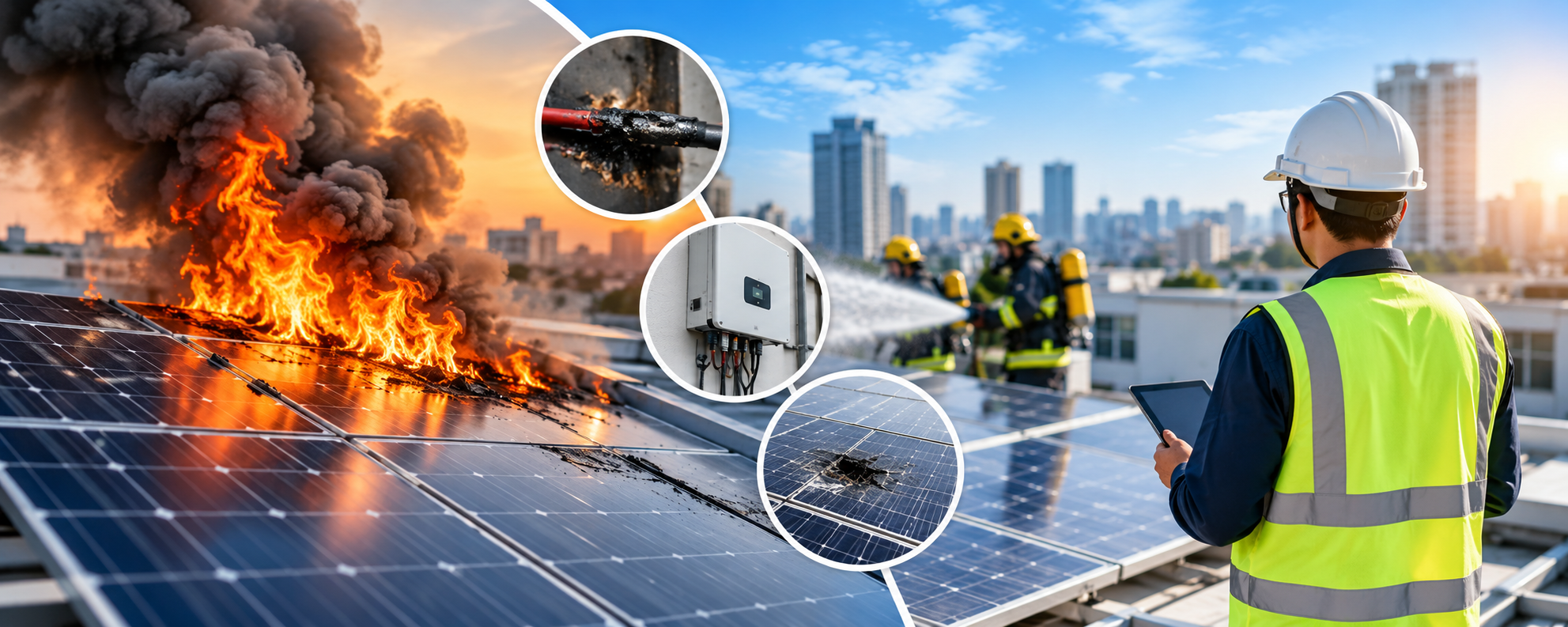
Solar Panel Fire Safety: Risks, Prevention & What Every Building Owner Should Know NFSI India October 6, 2026 Solar Panel...