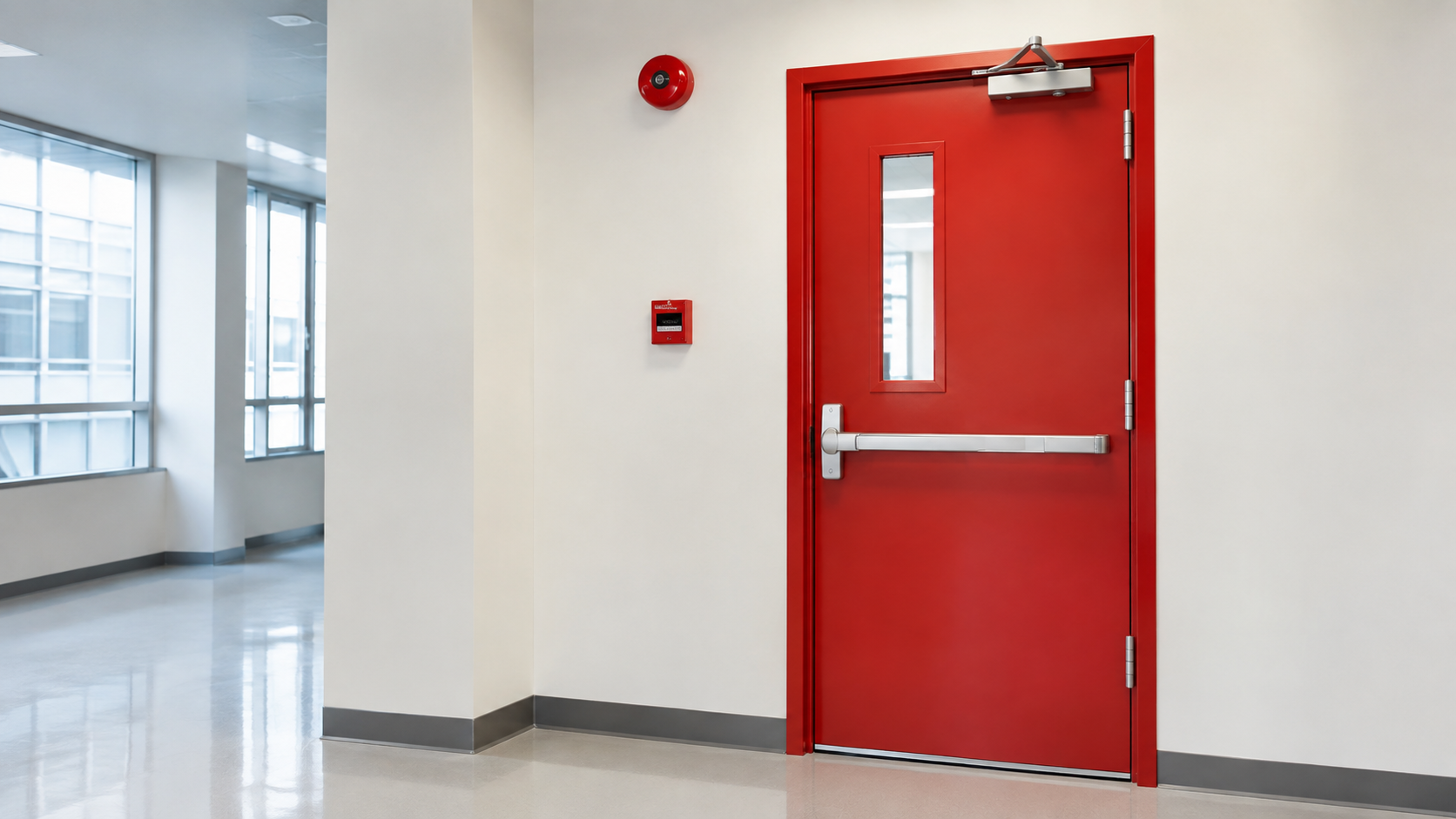
Fire Door Safety: Importance, Types, Inspection & Maintenance Guide
Fire Door Safety: Importance, Types, Inspection & Maintenance Guide NFSI India September 11, 2026 Fire Door Safety: How Fire Doors...

Vadodara, Gujarat
NFSI India
June 4, 2026
Many students interested in Fire & Safety courses often have one common question:
“What actually happens during a fire safety training session?”
Some students believe fire safety training is only classroom learning, while others think it only involves using fire extinguishers. In reality, professional fire safety training is a combination of theory, practical exercises, emergency response techniques, and real-world simulations. A quality fire safety training program prepares students not only to pass examinations but also to handle real-life emergencies confidently.
In this guide, we’ll walk you through a typical fire safety training session and explain why practical training is essential for building a successful career in fire safety.
In emergency situations, theoretical knowledge alone is not enough.
A fire safety professional must know:
● How to identify fire hazards
● How to use firefighting equipment
● How to evacuate people safely
● How to respond under pressure
This is why practical exposure is a critical part of professional fire safety training
Every training session starts with basic fire safety awareness.
Students will learn:
● What causes fires
● Classes of fire
● Common workplace hazards
● Fire prevention techniques
● Safety regulations and standards
This foundation helps students understand the science behind fire and the importance of prevention.
One of the first practical concepts taught is fire classification.
Students learn about:
● Wood
● Paper
● Cloth
● Flammable liquids
● Petrol
● Diesel
● Gas fires
● Metal fires
● Electrical Fires
● Electrical panels
● Wiring systems
● Equipment faults
Understanding fire classes helps students select the correct firefighting method
This is often the most exciting part of the training session.
Students are introduced to:
● ABC Fire Extinguishers
● CO₂ Fire Extinguishers
● Foam Fire Extinguishers
● Water-Based Fire Extinguishers
They learn:
✔ When to use each extinguisher
✔ Which extinguisher should never be used on electrical fires
✔ Safety precautions before operation
After demonstrations, students participate in live practical exercises.
Each student gets an opportunity to:
● Hold the extinguisher correctly
● Remove the safety pin
● Aim at the base of the fire
● Operate the extinguisher safely
Most training institutes teach the PASS method:
P – Pull the pin
A – Aim at the base
S – Squeeze the handle
S – Sweep side to side
This practical exposure builds confidence and removes fear during emergencies
Fire drills simulate real emergency situations.
Students learn:
● How alarms are activated
● How evacuation procedures work
● How emergency response teams operate
● How assembly points are managed
Mock drills help students experience emergency conditions in a controlled environment
Evacuation is one of the most important aspects of fire safety.
Students are trained to:
● Identify emergency exits
● Guide people safely
● Avoid panic situations
● Assist injured individuals
● Manage crowd movement
These skills are highly valued by employers.
Professional training also introduces students to various firefighting systems.
Students learn about:
● Fire alarm systems
● Smoke detectors
● Sprinkler systems
● Hose reels
● Fire hydrants
● Emergency lighting systems
Understanding these systems helps students become workplace-ready.
In many professional programs, students are introduced to:
● Basic rescue operations
● Victim assistance
● Emergency communication
● Safety protocols during rescue activities
This develops confidence and leadership skills.
Modern fire safety professionals are expected to understand workplace hazards.
Students are trained on:
● Industrial safety basics
● Risk assessment
● Hazard identification
● Safe work practices
This knowledge is useful across industries such as manufacturing, construction, healthcare, and oil & gas.
At the end of the training session, students are usually evaluated through:
● Written assessments
● Practical demonstrations
● Emergency response exercises
Successful candidates receive certification based on the course structure.
Certification demonstrates that the student has completed structured fire safety training and understands basic safety principles.
Apart from technical knowledge, students develop:
Making quick decisions during emergencies.
Coordinating with teams and guiding people.
Handling emergency situations without panic.
Working effectively during drills and rescue exercises.
Responding quickly to unexpected situations.
Students often find practical sessions more valuable because they:
✔ Build confidence
✔ Improve employability
✔ Provide real-world exposure
✔ Make learning engaging and interactive
✔ Prepare students for workplace challenges
The quality of training plays a major role in career success.
A good institute should provide:
● Practical-based learning
● Experienced trainers
● Live demonstrations
● Mock fire drills
● Industry-oriented curriculum
At NFSI, students receive hands-on exposure to real fire safety equipment, emergency response procedures, and practical training exercises designed to prepare them for real-world safety challenges.
The objective is not only to teach concepts but also to build confidence, competence, and career readiness.
After completing professional fire safety training, students can explore careers as:
● Fire Safety Officer
● Safety Supervisor
● HSE Executive
● Fireman
● Safety Coordinator
● Emergency Response Team Member
With experience and additional certifications, career growth opportunities continue to expand.
A real fire safety training session is far more than a classroom lecture. It is a combination of practical learning, emergency preparedness, hands-on equipment training, and workplace safety awareness.
For students looking for a skill-based career with strong job prospects, fire safety training offers valuable knowledge, practical experience, and opportunities across multiple industries.
Choosing a training institute that emphasizes practical learning can make a significant difference in building a successful and rewarding career.
Students learn fire prevention, fire extinguisher operation, emergency response, evacuation procedures, and practical firefighting techniques.
Yes, professional fire safety courses typically include hands-on training and mock fire drills.
Yes, most practical sessions allow students to operate fire extinguishers under supervision.
Yes, mock drills help students understand how to respond effectively during real emergencies.
Yes, practical fire safety skills are highly valued across industries and can improve employability.
Disclaimer:
This blog post is for informational purposes only and is not a substitute for professional fire safety advice. Always consult with experts for specific safety recommendations and guidance.
We hope you found this information helpful. Stay safe and be prepared!
Fire Door Safety: Importance, Types, Inspection & Maintenance Guide NFSI India September 11, 2026 Fire Door Safety: How Fire Doors...
Best Fire Safety Training in Vadodara & Gujarat | NFSI NFSI India September 10, 2026 Why NFSI Is One of...
Raksha Bandhan & Fire Safety | The True Meaning of Protection Beyond the Festival NFSI India August 26, 2026 Celebrate...