Fire Safety During Construction Work | Complete Safety Guide
Fire Safety During Construction Work | Complete Safety Guide NFSI India October 9, 2026 Fire Safety During Construction Work: Risks,...

Vadodara, Gujarat
NFSI India
July 15, 2026
Discover the complete monsoon fire safety checklist for homes, offices, factories, and industries. Learn how to prevent electrical fires, short circuits, and workplace hazards during the rainy season.
The monsoon season brings welcome relief from the summer heat, but it also introduces unique fire and electrical safety risks. Heavy rainfall, moisture, water seepage, flooding, and humidity can increase the likelihood of short circuits, electrical fires, equipment failures, and workplace accidents.
Many people assume that the risk of fire decreases during the rainy season. In reality, electrical faults caused by moisture are one of the leading causes of fires during monsoon months. Whether you are a homeowner, business owner, factory manager, facility manager, or safety officer, preparing your property before and during the rainy season is essential.
This guide provides a practical Monsoon Fire Safety Checklist to help keep your home, office, factory, or industrial facility safe.
Rainwater and moisture can affect electrical systems, damage insulation, and create unsafe conditions.
Common monsoon-related fire hazards include:
● Water entering electrical panels
● Short circuits
● Overloaded extension boards
● Damaged wiring
● Generator room flooding
● Wet electrical equipment
● Corrosion of electrical components
● Lightning-related electrical damage
Most of these incidents can be prevented through regular inspection and employee awareness.
Check your home for:
● Loose wires
● Damaged insulation
● Exposed cables
● Water leakage near electrical outlets
Replace damaged wiring immediately.
During monsoon, people often use additional appliances such as water pumps and dehumidifiers.
Never overload:
● Extension boards
● Multi-plug adapters
● Power strips
Overloading can cause overheating and short circuits.
Keep appliances away from:
● Rainwater
● Damp walls
● Water leakage
● Wet floors
Always unplug appliances if water enters the area.
● Ensure smoke detectors are functioning correctly.
● Replace batteries if required.
● Test alarms at least once every month.
Every home should have at least one suitable fire extinguisher that is easily accessible.
Ensure it is:
● Serviced
● Not expired
● Properly mounted
Check for:
● Water leakage
● Air conditioning issues
● UPS battery safety
● Cable management
Server rooms should remain dry at all times.
Electrical panels should be:
● Covered
● Dry
● Properly labelled
● Free from water seepage
Power failures are common during heavy rain.
Emergency lights should operate correctly during outages.
Ensure:
● Exit doors open properly
● No waterlogging near exits
● Exit signs remain visible
Employees should know:
● How to report electrical hazards
● Emergency contact numbers
● Evacuation procedures
👉 Consider scheduling Corporate Fire Safety Training before or during the monsoon season.
Industrial environments require additional precautions because of heavy machinery, electrical equipment, chemicals, and production activities.
Check for:
● Moisture
● Corrosion
● Loose connections
● Dust accumulation
Ensure:
● Proper ventilation
● No water leakage
● Fuel storage safety
● Functional fire extinguishers
Modern industries often use:
● Forklift batteries
● UPS systems
● Lithium-ion batteries
Charging areas should remain:
● Dry
● Well ventilated
● Free from combustible materials
👉 Read our guide on Lithium-Ion Battery Fires: Why Every Workplace Should Be Prepared.
Store combustible materials:
● Away from moisture
● Away from electrical equipment
● In designated storage areas
Employees should regularly practice:
● Evacuation procedures
● Alarm response
● Emergency communication
Practical mock drills improve emergency preparedness
Warehouses often face additional challenges.
Inspect:
● Roof leakage
● Electrical installations
● Forklift charging stations
● Emergency exits
● Fire extinguishers
Ensure goods are stored above floor level where flooding is possible.
Rain increases hazards on construction sites.
Key precautions include:
● Waterproof electrical connections
● Proper cable routing
● Safe welding practices
● Lightning protection
● Temporary electrical inspections
Watch for these warning signs:
⚠ Burning smell
⚠ Flickering lights
⚠ Frequent circuit breaker trips
⚠ Sparks from switches
⚠ Water dripping near electrical systems
⚠ Overheated electrical equipment
Report and repair these issues immediately.
If an electrical fire occurs:
✔ Switch off the main power supply if it is safe to do so.
✔ Raise the alarm immediately.
✔ Keep people away from the affected area.
✔ Never throw water on energized electrical equipment.
✔ Use an appropriate fire extinguisher only if you are trained and it is safe to do so.
✔ Contact the local fire service if the fire cannot be controlled immediately.
Employee awareness and regular training are essential for responding safely.
Fire safety equipment alone cannot prevent emergencies.
Employees should understand:
● Electrical hazards
● Safe equipment handling
● Emergency reporting
● Evacuation procedures
● Fire extinguisher operation
Professional training helps reduce panic and improves emergency response.
Preparing for the rainy season requires more than just checking equipment. It requires trained people, proper planning, and regular inspections.
At NFSI (National Fire Safety Institute), we help organizations strengthen their fire safety preparedness through:
✔ Corporate Fire Safety Training
✔ Fire Safety Audits
✔ Mock Fire Drill Programs
✔ Fire Extinguisher Demonstrations
✔ Emergency Evacuation Planning
✔ Workplace Hazard Identification
✔ Customized Industry-Specific Safety Programs
With over 25 years of experience, NFSI supports organizations in creating safer workplaces throughout the year, including during the monsoon season.
The rainy season brings many hidden fire hazards, especially those related to electrical systems and moisture. Regular inspections, proper maintenance, employee awareness, and professional fire safety training can significantly reduce the risk of electrical fires and workplace emergencies.
Whether you manage a home, office, factory, warehouse, or commercial building, following a structured monsoon fire safety checklist is one of the most effective ways to protect lives, property, and business continuity.
Preparing today can help prevent tomorrow’s emergency.
Moisture, water seepage, damaged insulation, and short circuits increase the risk of electrical fires during the rainy season.
By inspecting electrical systems, maintaining fire protection equipment, conducting fire safety training, and organizing mock fire drills.
Yes. A properly maintained fire extinguisher can help control small fires in the initial stage, provided it is used safely and correctly.
Yes. Employees should know how to identify electrical hazards, report unsafe conditions, and follow emergency procedures.
Organizations and homeowners should conduct inspections at regular intervals and especially before the onset of the monsoon season.
Disclaimer:
This blog post is for informational purposes only and is not a substitute for professional fire safety advice. Always consult with experts for specific safety recommendations and guidance.
We hope you found this information helpful. Stay safe and be prepared!
Fire Safety During Construction Work | Complete Safety Guide NFSI India October 9, 2026 Fire Safety During Construction Work: Risks,...
Fire Safety for Shops & Small Businesses | Complete Guide NFSI India September 28, 2026 Fire Safety for Shops &...
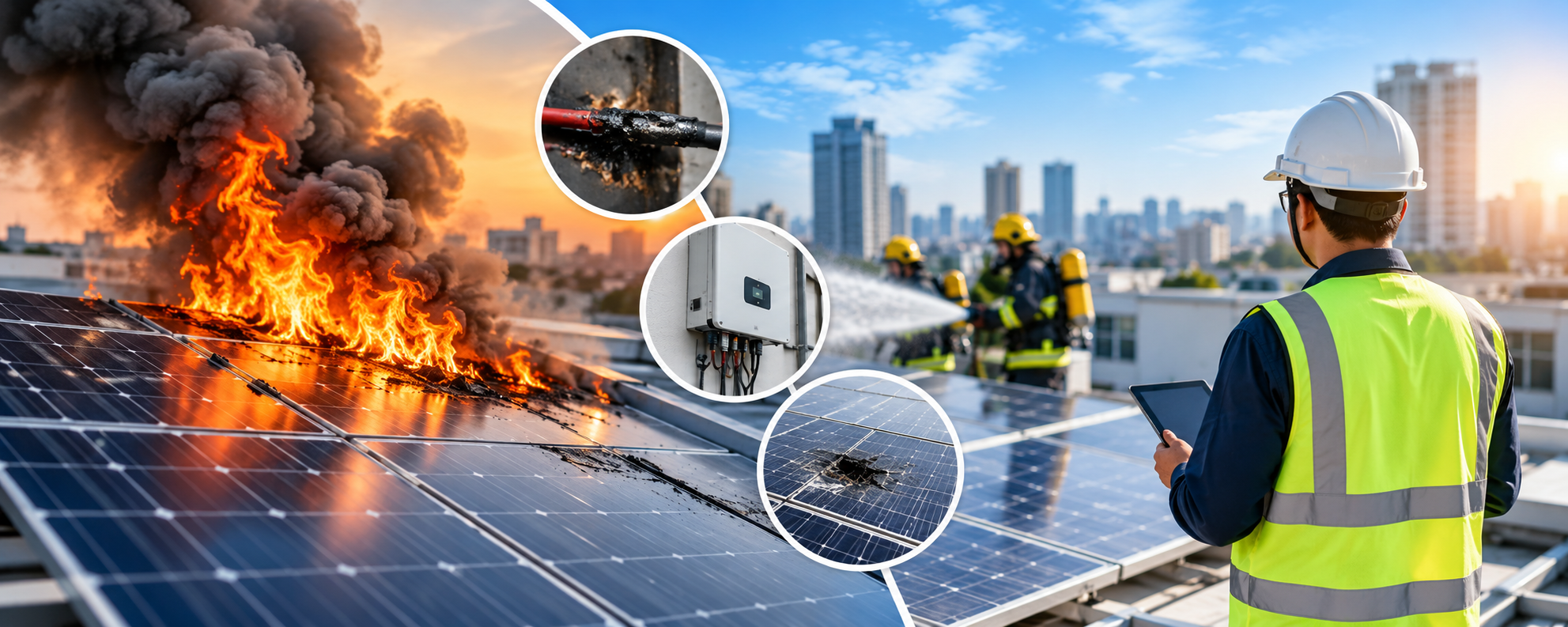
Solar Panel Fire Safety: Risks, Prevention & What Every Building Owner Should Know NFSI India October 6, 2026 Solar Panel...