AI & Fire Safety in 2026 | How AI Is Preventing Fires
AI & Fire Safety in 2026 | How AI Is Preventing Fires NFSI India October 24, 2026 AI & Fire...

Vadodara, Gujarat
NFSI India
October 24, 2026
Discover how AI is transforming fire safety in 2026 through early detection, predictive monitoring, smart alarms, risk assessment, evacuation and emergency response.
Fire safety has traditionally relied on systems such as smoke detectors, heat detectors, fire alarms, sprinklers, fire extinguishers, fire hydrants and emergency response procedures.
These systems remain essential. However, Artificial Intelligence (AI) is adding a new layer of intelligence to fire prevention and emergency preparedness.
In 2026, AI can be used to analyze information from cameras, sensors, alarms and other connected systems to help organizations identify potential hazards earlier, monitor changing conditions and support faster decision-making.
From industrial facilities and warehouses to offices, hospitals, data centers and commercial buildings, AI-powered technologies are changing how organizations think about fire prevention.
But an important point should be understood:
AI does not replace fire safety professionals, trained employees or properly maintained fire protection systems. It enhances their ability to detect, analyze and respond to risks.
So, how exactly is AI changing fire safety?
Let’s explore.
AI in fire safety refers to the use of artificial intelligence, machine learning, computer vision, sensors and data analytics to identify fire-related risks and support prevention, detection and emergency response.
Traditional fire detection systems generally depend on predefined conditions.
For example:
Smoke detected → Alarm activated
AI-based systems can potentially analyze multiple types of information simultaneously.
For example:
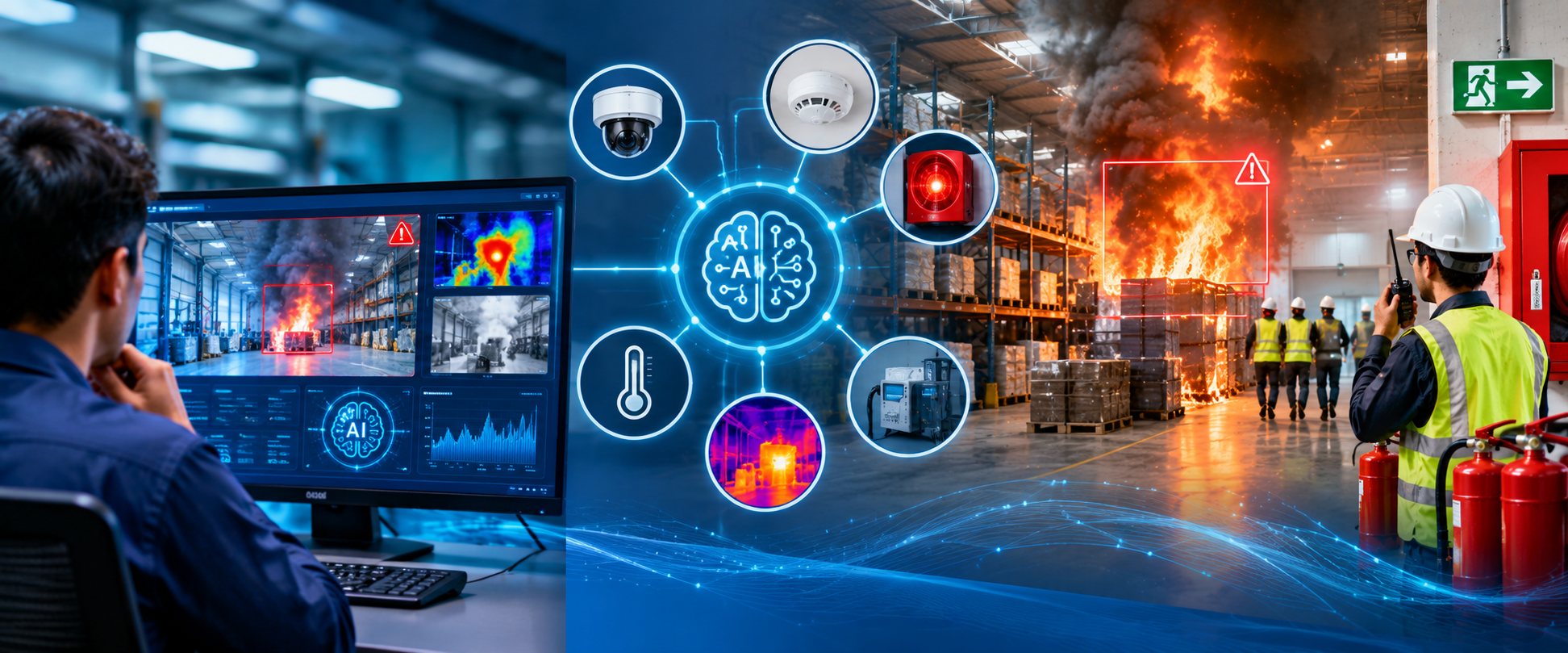
Camera + Smoke + Temperature + Environmental Data + Historical Patterns → Risk Analysis → Alert
This creates an opportunity to move from simply detecting fires toward predicting and preventing fire-related incidents.
Modern workplaces are becoming increasingly complex.
Industrial facilities may have:
At the same time, organizations generate enormous amounts of operational data.
AI can help process this information much faster than a person manually reviewing every data point.
This makes AI particularly useful for:
One of the most important applications of AI is early detection.
Traditional smoke and heat detectors remain fundamental fire protection devices. AI can complement these systems by analyzing additional information.
For example, AI-enabled video systems can potentially identify:
● Smoke
● Flames
● Unusual heat signatures
● Sparks
● Hazardous conditions
● Fire-like visual patterns
Computer vision can analyze video feeds continuously and identify patterns that may require human attention.
The earlier a developing fire is recognized, the more opportunity there may be to:
● Raise an alarm
● Alert responsible personnel
● Begin emergency procedures
● Evacuate affected areas
● Isolate equipment where appropriate
● Contact emergency services
● Prevent the fire from spreading
AI therefore has the potential to reduce the time between hazard development and detection.
CCTV cameras are already common in many workplaces.
AI can add analytical capabilities to these camera systems.
Instead of cameras being used only to record an incident, AI-enabled video analytics can potentially monitor live footage for indicators such as smoke or flames.
This can be particularly useful in areas such as:
● Warehouses
● Manufacturing plants
● Parking facilities
● Construction sites
● Large commercial buildings
● Industrial yards
● Storage areas
For large facilities, continuously monitoring every camera manually may be difficult.
AI can help prioritize unusual events for human review.
One of the most exciting areas of AI is predictive analysis.
Instead of asking only:
“Is there a fire right now?”
AI-based systems can potentially help organizations ask:
“Are there conditions developing that could increase fire risk?”
For example, an intelligent monitoring system may analyze information related to:
● Equipment temperature
● Electrical performance
● Battery conditions
● Environmental conditions
● Equipment operating patterns
● Maintenance history
● Sensor readings
If unusual patterns are detected, the system can potentially generate an early warning for inspection.
This is particularly relevant to industrial environments where equipment operates continuously.
Electrical faults are an important workplace fire concern.
AI-powered monitoring can potentially help identify abnormal electrical conditions by analyzing data from connected electrical systems.
Depending on the technology and system design, AI can assist with identifying unusual patterns related to:
● Temperature
● Electrical load
● Equipment performance
● Voltage or current behavior
● Repeated abnormal conditions
The purpose is not to replace electrical inspection and maintenance, but to provide another layer of monitoring.
AI + electrical safety inspections + preventive maintenance can create a stronger overall approach to electrical fire risk management.
Battery technology is becoming increasingly important across industries.
Lithium-ion batteries are used in:
● Electric vehicles
● Portable electronics
● Energy storage systems
● Industrial equipment
● Backup power systems
Battery failures can involve overheating and, in certain circumstances, thermal runaway.
AI-enabled monitoring can potentially analyze battery-related data such as:
● Temperature
● Charging patterns
● Voltage
● Current
● Cell behavior
● Abnormal changes
Early identification of abnormal conditions can support intervention before a serious event develops.
However, battery fire safety still requires appropriate engineering controls, protection systems, charging procedures, maintenance and emergency planning.
Data centers require a highly controlled environment because even a relatively small fire or equipment failure can affect critical infrastructure.
AI can potentially assist with:
● Environmental monitoring
● Temperature analysis
● Equipment anomaly detection
● Smoke detection
● Predictive maintenance
● Alarm analysis
● Incident monitoring
AI can also help organizations analyze large amounts of sensor information from complex facilities.
For data centers, however, AI should operate as part of a broader fire protection strategy that includes appropriate detection, suppression, power management, ventilation and emergency procedures.
Traditional fire risk assessments involve reviewing:
● Building conditions
● Occupancy
● Fire hazards
● Electrical systems
● Storage
● Emergency exits
● Fire protection equipment
● Human factors
● Emergency procedures
AI can potentially assist by analyzing large amounts of historical and operational data.
For example, AI could help identify:
● Repeated equipment abnormalities
● Areas with frequent alarms
● Patterns in maintenance records
● Recurring safety observations
● High-risk operational conditions
This may help safety teams prioritize areas requiring closer attention.
The final risk assessment should still involve competent professionals and site-specific evaluation.
AI is also influencing the development of intelligent fire alarm systems.
Traditional systems may trigger alarms based on specific detector thresholds.
Intelligent systems can potentially combine information from multiple sensors and analyze the overall situation.
For example:
Smoke + Temperature Increase + Air Quality Change + Location Data
may provide more contextual information than one sensor operating independently.
This can potentially help reduce unnecessary alarms while improving situational awareness.
However, fire alarm systems must continue to comply with applicable standards, design requirements and regulatory requirements.
False alarms can create operational challenges.
Repeated false alarms may lead to:
● Unnecessary evacuations
● Production interruptions
● Loss of productivity
● Emergency response costs
● Alarm fatigue
AI-based systems can potentially analyze multiple signals before escalating an event.
For example, computer vision and sensor data can be combined to differentiate between certain environmental conditions and potential fire indicators.
This does not mean AI should delay an alarm when life safety requires immediate activation. System design must prioritize safety and applicable fire protection requirements.
During a fire, evacuation decisions can become complicated in large buildings.
AI can potentially support emergency management by analyzing information such as:
● Building occupancy
● Alarm locations
● Smoke conditions
● Blocked routes
● Exit availability
● Sensor information
In advanced systems, this information could help emergency teams understand which areas may require priority attention.
AI can also support simulations and evacuation planning by analyzing different emergency scenarios.
But AI should support—not replace—established emergency procedures and trained emergency personnel.
AI is also being combined with robotics and drones for high-risk environments.
In certain specialized applications, robotic systems may help inspect or monitor areas that are difficult or dangerous for humans to access.
Potential applications include:
● Industrial facilities
● Large warehouses
● Hazardous environments
● Fire investigation support
● Remote inspection
● Emergency reconnaissance
Robotics can become particularly valuable where sending people into an area may expose them to unnecessary risk.
AI isn’t only changing fire detection.
It can also change how people learn fire safety.
AI-powered training platforms can potentially create:
● Personalized learning
● Interactive simulations
● Virtual emergency scenarios
● Adaptive quizzes
● Scenario-based training
● Automated performance feedback
For example, an employee could participate in a simulated workplace fire scenario and practice deciding:
What should I do first?
Where should I evacuate?
When should I raise the alarm?
Should I attempt to use an extinguisher or evacuate?
This type of scenario-based learning can complement practical fire safety training.
Fire safety inspections can generate significant amounts of information.
AI can potentially help organizations organize and analyze inspection data related to:
● Fire extinguishers
● Emergency exits
● Fire doors
● Fire alarms
● Emergency lighting
● Electrical equipment
● Housekeeping
● Safety observations
For example, an AI-enabled platform could identify repeated observations and highlight areas where corrective actions remain outstanding.
This can help safety teams focus their attention on recurring problems rather than treating every inspection as an isolated event.
Modern buildings increasingly use connected systems.
These may include:
● HVAC systems
● Access control
● CCTV
● Building management systems
● Fire alarms
● Environmental sensors
● Energy management systems
AI can potentially bring information from different systems together.
Imagine a building where an abnormal temperature is detected in an electrical room.
The system could potentially correlate:
Temperature increase + electrical abnormality + camera information + equipment history
and generate a higher-priority alert for investigation.
This is an example of how AI can move fire safety toward a more connected and data-driven approach.
This is one of the most important points.
Even the most advanced AI system cannot replace:
Imagine an alarm detects smoke.
Someone still needs to:
Technology can provide information.
People still have to respond.
The strongest approach is not:
AI vs Humans
It is:
AI + Humans + Training + Fire Protection Systems
Each component has a different role.
| Component | Main Role |
|---|---|
| AI | Data analysis and early warning |
| Sensors | Collect real-time information |
| Fire Alarm | Alert people to an emergency |
| Fire Protection Systems | Help control or suppress fire |
| Trained Employees | Follow emergency procedures |
| Fire Safety Professionals | Assess risks and improve systems |
| Management | Provide resources and safety leadership |
Together, these layers can create a more comprehensive fire safety strategy.
AI offers significant opportunities, but it also has limitations.
AI systems can sometimes incorrectly interpret an event as a fire or hazard.
No detection technology is perfect. A system may fail to identify certain conditions.
AI performance depends heavily on the quality and reliability of the data available.
Connected fire safety systems can create cybersecurity considerations that organizations must address.
Sensors, cameras, software and connected devices require appropriate maintenance and testing.
Organizations should never assume that AI can handle every emergency automatically.
Advanced AI systems may require significant investment depending on the facility and technology.
Therefore, organizations should evaluate AI according to their actual fire risks and operational requirements.
Organizations considering AI-based fire safety technology should begin with the basics.
Understand the actual hazards present in the workplace.
Evaluate alarms, detection, suppression, emergency exits and other systems.
Ensure employees understand fire prevention and emergency procedures.
Determine where existing systems may not provide sufficient visibility.
Choose technology based on the specific workplace risk—not simply because AI is a trend.
AI should complement existing fire safety infrastructure.
Regularly evaluate system performance and update emergency procedures where necessary.
As workplaces become more connected and technology-driven, fire safety is also becoming
increasingly data-driven.
The future may involve greater use of:
However, technology should always be implemented around a fundamental principle:
The purpose of technology is to improve safety—not to replace safety fundamentals.
Fire prevention still starts with good design, proper maintenance, safe work practices, employee awareness and effective emergency planning
Organizations adopting new technologies still need trained employees who understand basic fire prevention and emergency response.
National Fire Safety Institute (NFSI) can help organizations strengthen their fire safety awareness and preparedness through structured training programs.
Training can cover areas such as:
As technology continues to evolve, combining modern fire safety technology with practical employee training can help organizations develop a stronger safety culture.
Artificial Intelligence is changing the way organizations approach fire safety.
From AI-powered detection and computer vision to predictive monitoring, smart alarms, battery monitoring and intelligent emergency management, technology can provide new ways to identify risks and support faster decisions.
But AI is not a replacement for people.
A safer future depends on combining
Artificial Intelligence + Fire Protection Systems + Human Expertise + Fire Safety Training
For industries, businesses and institutions, the goal should not simply be to adopt the latest technology.
The goal should be to create a smarter, better-prepared and more resilient fire safety system.
Because when a fire emergency occurs, technology can provide an alert—but trained people are still essential to making the right decisions.
AI is helping fire safety systems analyze information from cameras, sensors and connected devices to support early detection, anomaly identification, predictive monitoring and emergency decision-making.
AI-based technologies can provide additional detection capabilities, particularly through computer vision and multi-sensor analysis. However, they should complement—not automatically replace—appropriate conventional fire detection systems.
AI cannot guarantee fire prevention. However, predictive analytics and continuous monitoring may help identify abnormal conditions earlier, allowing organizations to investigate and address potential hazards.
AI can analyze camera footage, sensor data and other information to identify patterns associated with smoke, flames, abnormal temperatures or other potential fire indicators.
AI can potentially monitor battery-related parameters such as temperature, voltage, current and charging behavior to identify abnormal patterns. Appropriate battery safety engineering and emergency procedures remain essential.
No. AI can support fire safety professionals by providing data and alerts, but professional risk assessment, system design, training, inspection and emergency decision-making remain important.
Yes. AI can support interactive simulations, personalized learning and scenario-based training. However, practical training and emergency drills remain valuable components of preparedness.
Potential applications exist across manufacturing, warehouses, data centers, commercial buildings, energy facilities, logistics, healthcare and other complex environments. Suitability depends on the organization’s specific risks and requirements.
Costs vary significantly depending on the facility, cameras, sensors, software, integration requirements and system complexity. Organizations should evaluate technology based on risk and operational needs.
The future is likely to involve greater integration of AI, sensors, computer vision, predictive analytics, connected fire protection systems and human expertise to improve prevention, detection and emergency preparedness
Disclaimer:
This blog post is for informational purposes only and is not a substitute for professional fire safety advice. Always consult with experts for specific safety recommendations and guidance.
We hope you found this information helpful. Stay safe and be prepared!
AI & Fire Safety in 2026 | How AI Is Preventing Fires NFSI India October 24, 2026 AI & Fire...
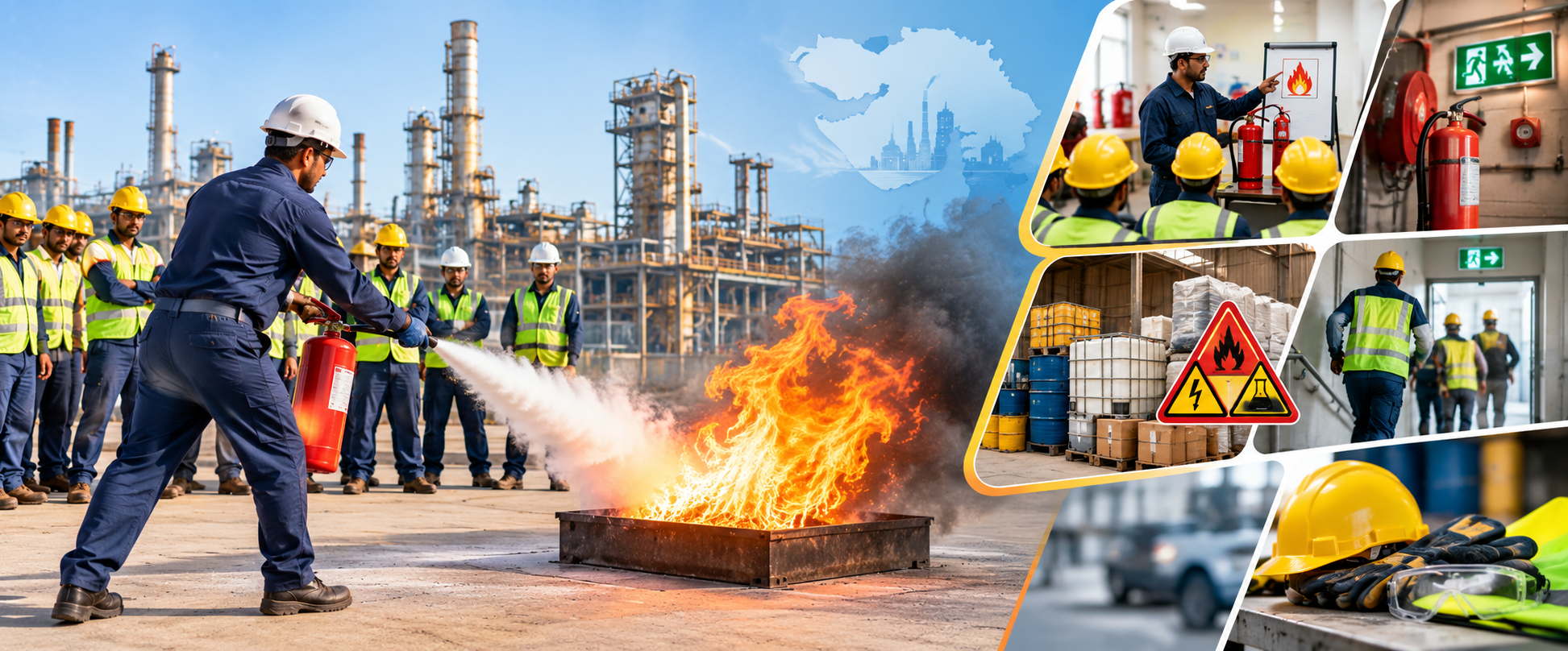
Fire Safety Training in Gujarat | Industrial Fire Safety Guide NFSI India October 17, 2026 Why Fire Safety Training Is...
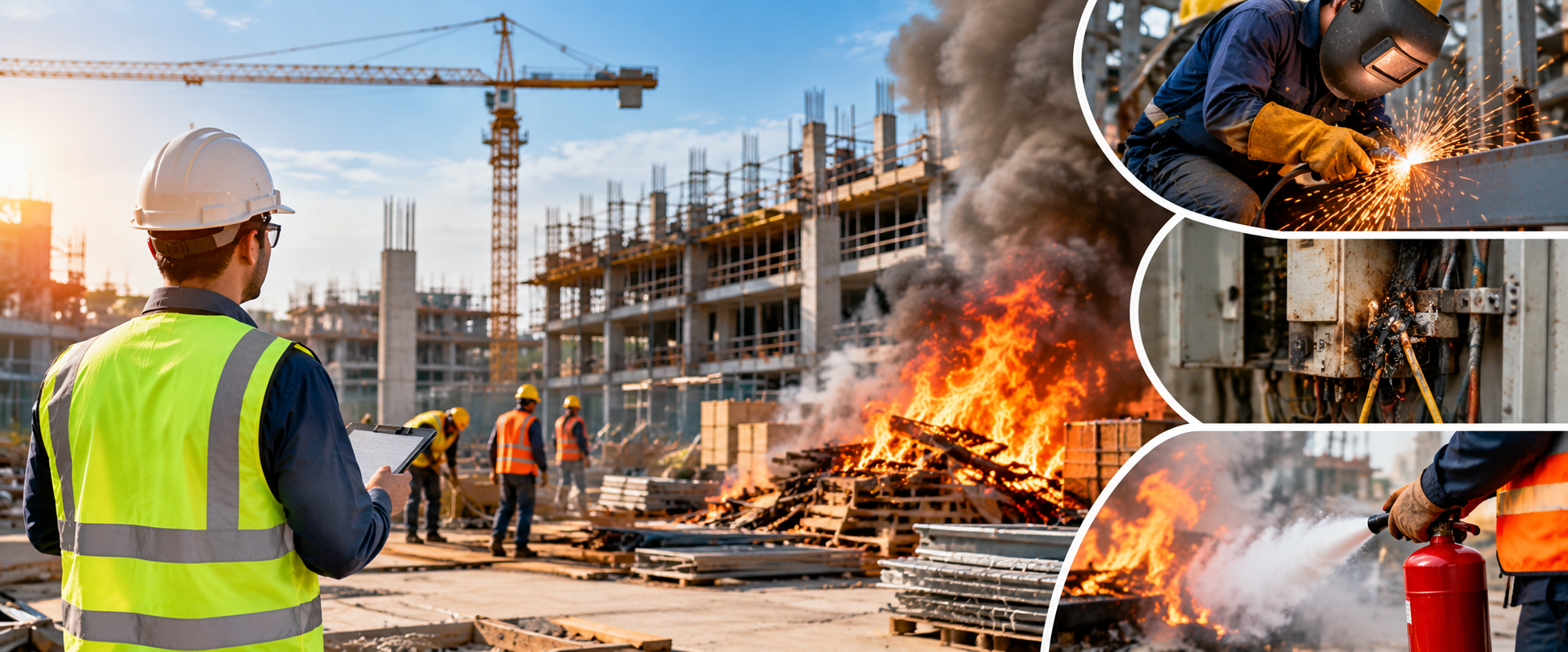
Fire Safety During Construction Work | Complete Safety Guide NFSI India October 9, 2026 Fire Safety During Construction Work: Risks,...