NFSI

Why Fire Drills Fail: The 5 Mistakes Most Workplaces Make

Fire drills are crucial for creating a safe workplace environment, preparing employees for emergencies, reducing panic, and saving lives. However, in many organizations, these drills are conducted as routine formalities rather than realistic emergency simulations, which significantly reduces their effectiveness. When a real emergency occurs, this lack of seriousness can lead to chaos, confusion, and life-threatening consequences.

In this article, we will explore the hidden reasons why fire drills fail and highlight the critical mistakes most workplaces unknowingly make, along with practical ways to correct them.

What is a Fire Drill and Why It’s Essential

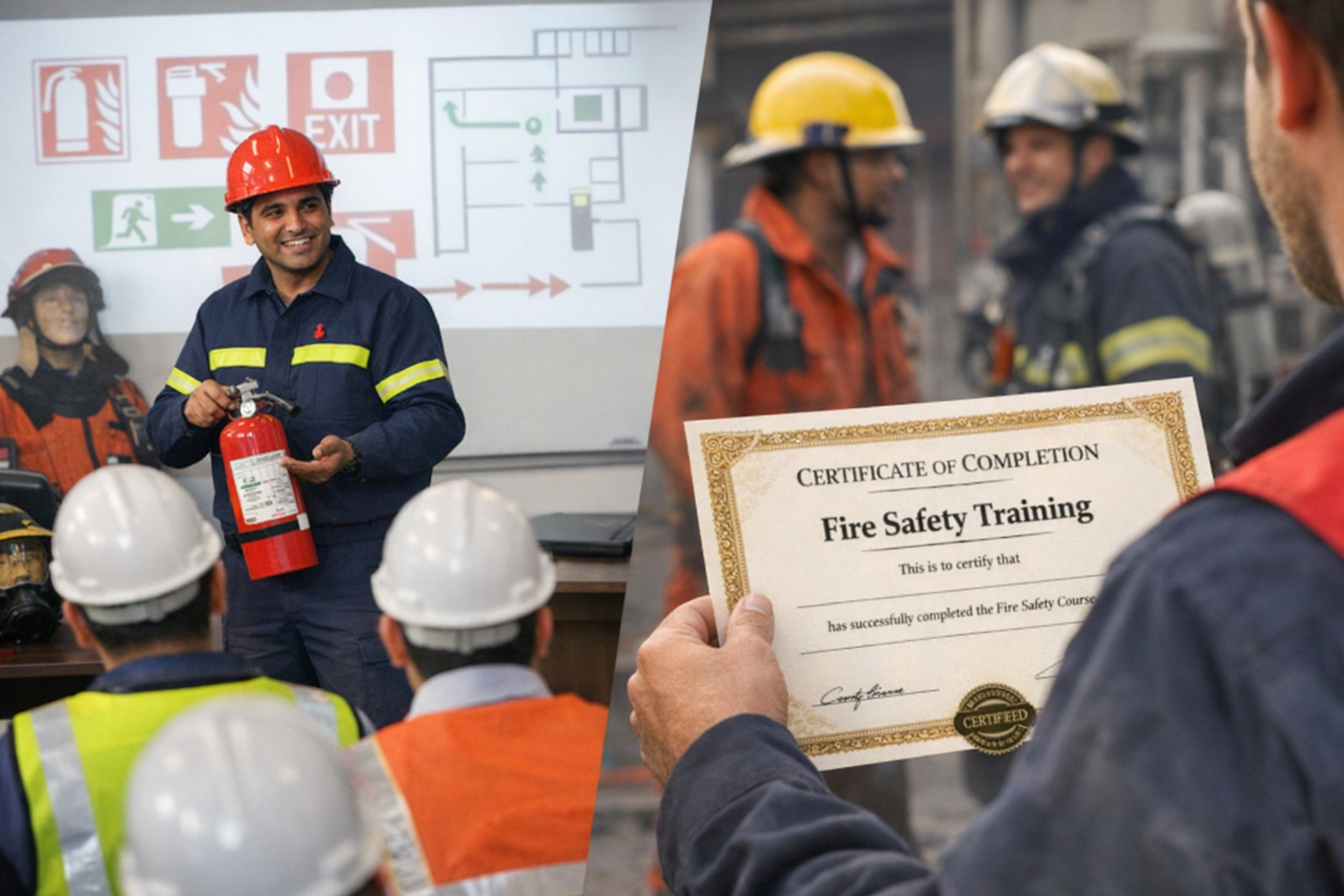
A fire drill is a planned emergency evacuation procedure designed to prepare employees for a real fire situation. It helps individuals understand:

  • Evacuation routes
  • Assembly points
  • Alarm procedures
  • Their roles in ensuring a safe and orderly exit from the premises

Fire drills are essential because they train employees to act quickly and calmly during emergencies, reducing panic and confusion. Each drill strengthens awareness, improves response time, and builds confidence to handle real-life situations effectively.

Regular fire drills allow organizations to:

  • Identify gaps in emergency procedures and response plans
  • Test the efficiency of evacuation routes and exit accessibility
  • Evaluate employee awareness and readiness levels
  • Improve coordination between safety teams and employees


5 Fire Drill Mistakes Putting Your Workplace at Risk

1. Treating Fire Drills as a Formality

Many organizations conduct fire drills only to meet compliance requirements. Employees don’t take them seriously, and participation becomes casual. As a result, staff fail to understand the urgency and behave unrealistically, which undermines the purpose of the drill and leaves them unprepared for genuine emergencies.

What To Do:

  • Conduct surprise or unannounced drills
  • Treat every drill as a real emergency simulation
  • Ensure full participation from all employees, without exceptions
  • Involve management and leadership to set the right example
  • Enforce discipline and accountability during evacuation
  • Use real-time evaluation to measure response and behavior


2. Lack of Clear Roles & Responsibilities

In many workplaces, employees are unsure who the fire wardens are, who leads the evacuation, or who assists vulnerable individuals. This confusion causes delays, mismanagement, and increases risk, especially when time is critical during an actual fire emergency.

What To Do:

  • Clearly define emergency roles such as fire wardens and floor coordinators
  • Assign responsibilities to specific individuals and teams
  • Display role charts on notice boards and in common areas
  • Conduct role-based training and mock practice sessions
  • Ensure employees understand their individual duties during evacuation
  • Regularly update and communicate changes in responsibilities


3. Poor Communication During Drills

Unclear instructions, malfunctioning alarms, or lack of guidance during drills lead to confusion and delays. When communication is ineffective or weak, employees may ignore the drill or fail to follow correct evacuation procedures.

What To Do:

  • Test alarm systems and PA systems before every drill
  • Use clear, audible, and timely announcements
  • Standardize emergency communication protocols
  • Provide visible signage and guidance signals
  • Train staff to understand emergency alerts
  • Repeat instructions when needed for clarity


4. No Follow-up or Feedback

Many workplaces complete drills without reviewing what went wrong or what could be improved. Without feedback, repeated mistakes go unnoticed, making future drills equally ineffective.

What To Do:

  • Conduct a debrief session after every drill
  • Share observations with employees and safety teams
  • Identify gaps and areas for improvement
  • Document performance and response times
  • Implement corrective actions immediately
  • Review and update emergency plans periodically


5. Ignoring Real-World Emergency Scenarios

Drills often fail to reflect real-life situations such as blocked exits, power failures, smoke, or mobility-impaired employees, leaving staff unprepared for actual emergencies.

What To Do:

  • Introduce scenario-based simulations
  • Include obstacles such as blocked pathways or alternate exits
  • Simulate low-visibility conditions or alarm failures
  • Rotate drill scenarios regularly
  • Train employees to adapt to changing situations
  • Prepare staff for unexpected emergency conditions


Final Thoughts

Fire drills are crucial and should never be taken for granted. They are a critical lifesaving practice that determines how effectively employees respond when a real emergency strikes.

When conducted with proper planning, realism, and accountability, fire drills strengthen preparedness, reduce panic, and foster a culture of safety across the workplace.

It is essential to identify mistakes, address gaps, and continuously improve your emergency procedures to ensure that every drill adds real value to workplace safety. A well-executed fire drill today can make the difference between a safe escape and a preventable disaster tomorrow.

National Fire Safety Institute

We Offer Training For Fire Safety

Disclaimer:
This blog post is for informational purposes only and is not a substitute for professional fire safety advice. Always consult with experts for specific safety recommendations and guidance.

We hope you found this information helpful. Stay safe and be prepared!

Tags :
Company Safety Training,Fire at Workplace,Fire Drills,Mistakes
Share This :

Leave a Reply

Your email address will not be published. Required fields are marked *

Related Blogs