NFSI

Extreme Heat Fire Safety Precautions in India | Prevent Fire Risks in Summer 2026

Introduction

India is currently experiencing extreme heatwave conditions, with temperatures rising to alarming levels across multiple regions. While most people focus on dehydration, heatstroke, and health-related issues, one critical risk is often overlooked — the increased probability of fire incidents during extreme heat.

High temperatures create an environment where electrical systems are stressed, flammable materials ignite more easily, and fire spreads faster. In such conditions, even a minor lapse in safety can lead to serious consequences. 

Understanding the connection between extreme heat and fire risk is essential for both individuals and organizations. This guide explains the risks and provides practical precautions to prevent fire incidents during peak summer conditions

Why Extreme Heat Increases Fire Risk

Extreme heat directly impacts multiple fire-related factors:

1. Electrical Overload

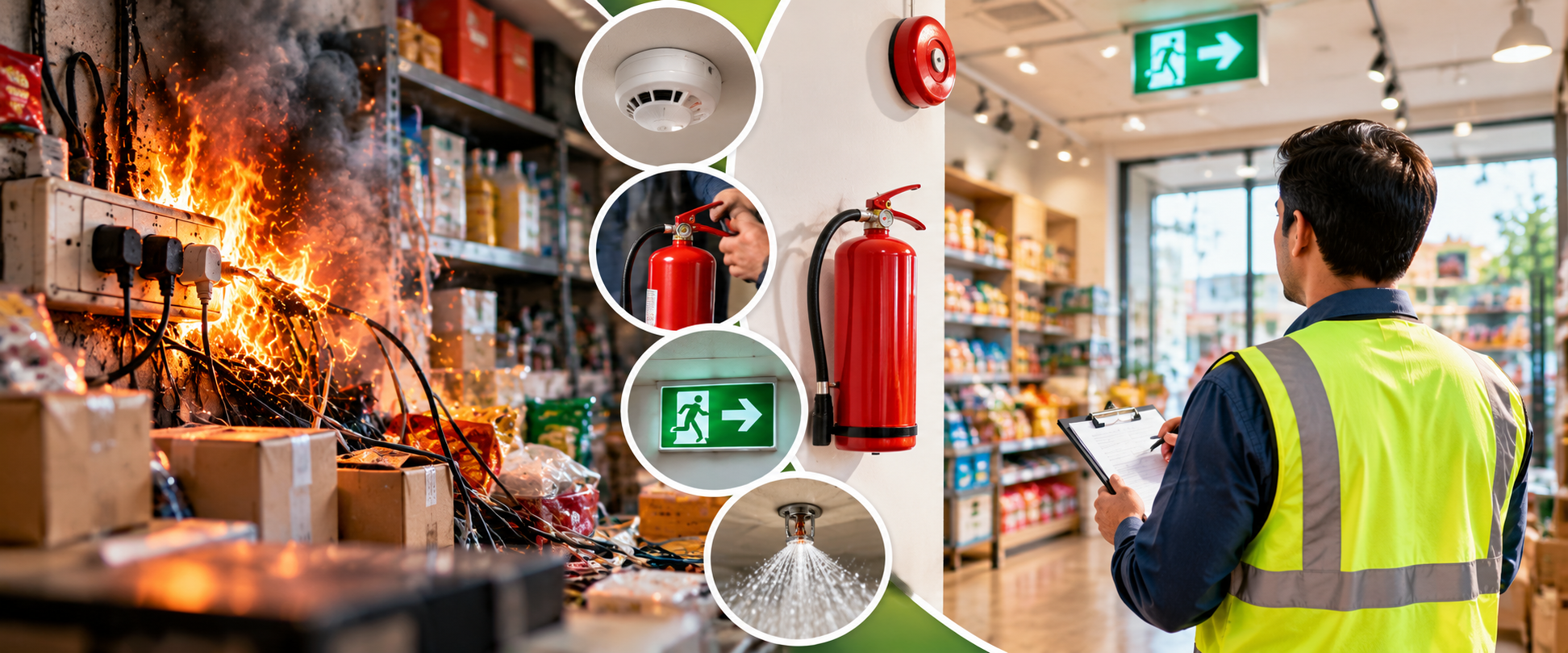
With continuous use of air conditioners, coolers, and industrial equipment, electrical systems operate under heavy load. This increases the risk of:

● Overheating wires
● Short circuits
● Electrical panel failure

👉 Regular inspection through Electrical Fire Safety Audit Services
can help prevent such risks.

2. Dry Environment & Faster Ignition

High temperatures reduce moisture levels in the air, making materials like paper, wood, and fabrics more flammable.

Even a small spark can ignite quickly and spread rapidly.

3. Equipment Overheating

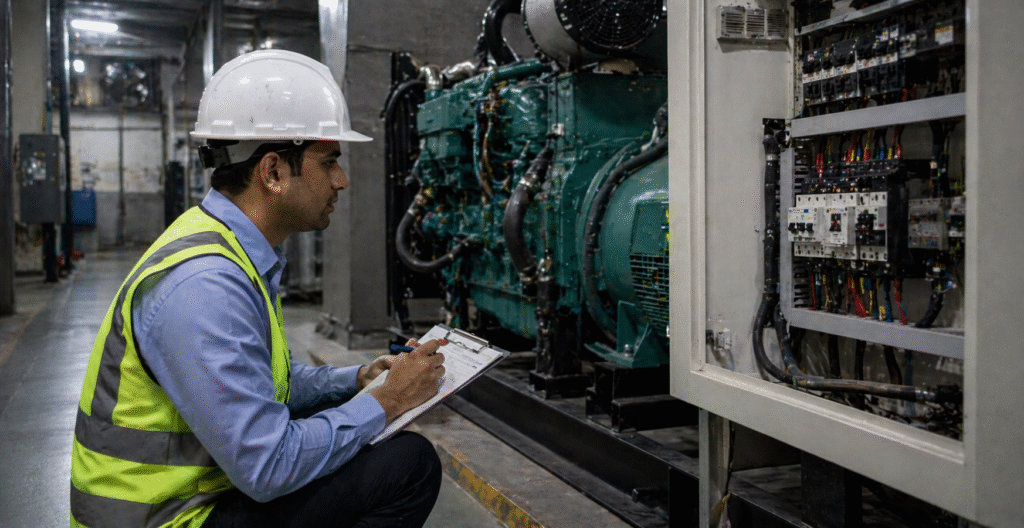
Machinery, generators, and electrical panels generate additional heat during operation. Combined with external temperature, this can lead to:
● System failure
● Fire hazards in high-risk areas

👉 Conduct routine checks with Fire Safety Audit Services to identify such risks early.

4. Increased Use of Electrical Appliances

Homes, offices, and industries use more electrical devices during summer, increasing load on circuits.

Improper usage or outdated systems can easily trigger fire incidents.

Common Fire Risks During Heatwaves

During extreme heat, the following risks are most common:

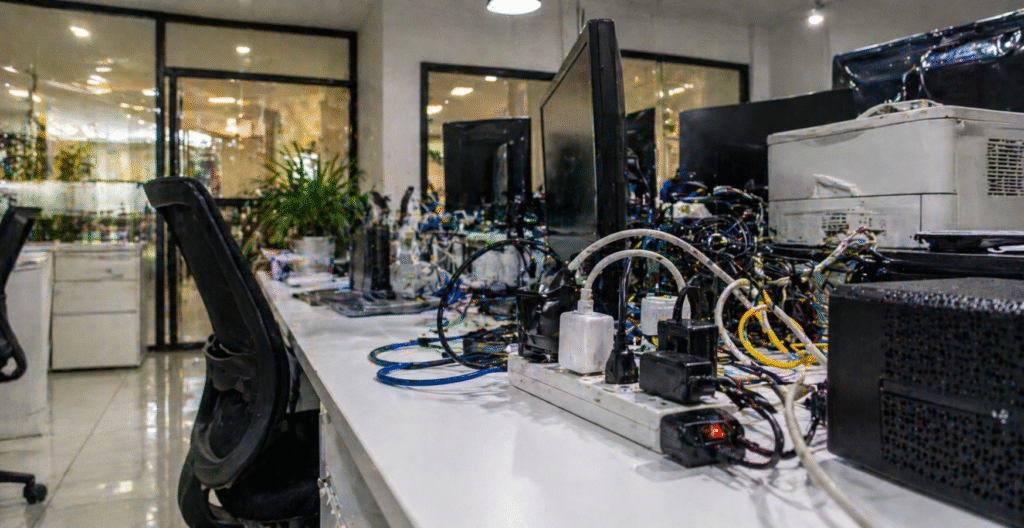
● Overloaded power sockets
● Faulty or old wiring
● Generator overheating
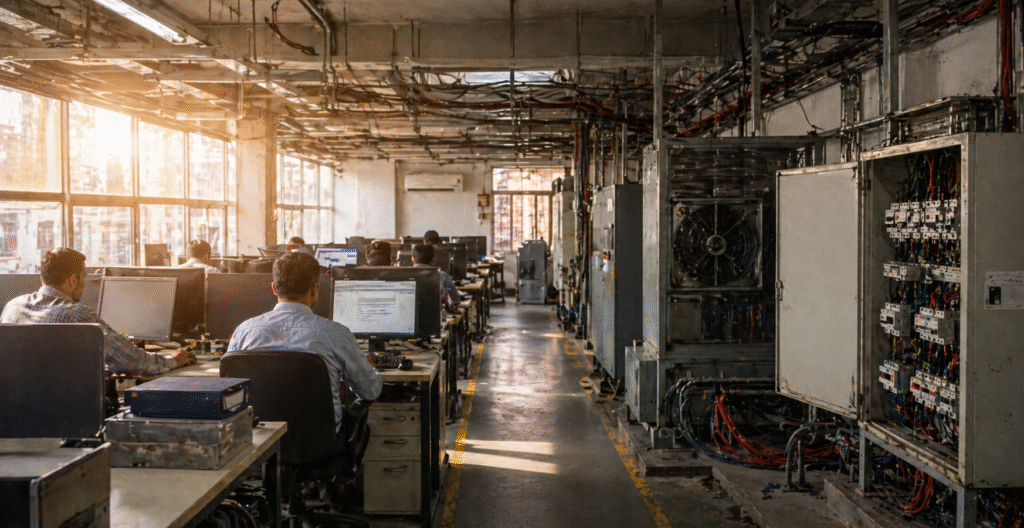
● Server room heat buildup
● Improper storage of flammable materials
● Lack of ventilation

👉 These risks can be minimized with proper Fire Safety Training Programs.

Essential Fire Safety Precautions

1. Avoid Electrical Overloading

● Do not plug multiple high-power devices into one socket
● Use proper circuit breakers
● Monitor electrical load during peak hours

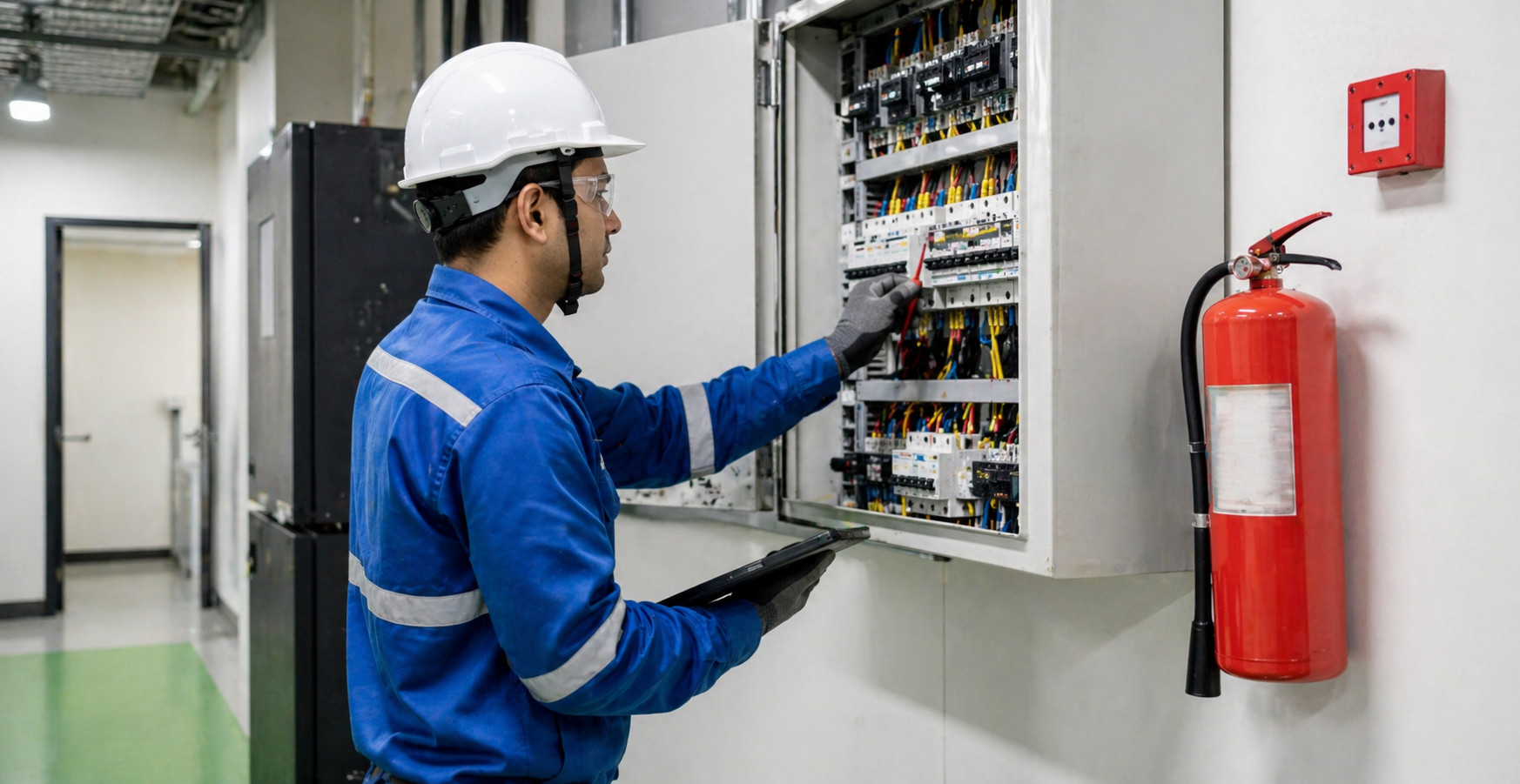
2. Regular Electrical Inspection

● Check wiring condition
● Inspect electrical panels
● Replace damaged cables

👉 Schedule periodic checks with Electrical Safety Audit Services.

3. Maintain Fire Safety Equipment

● Keep fire extinguishers accessible
● Ensure they are not expired
● Install smoke detectors and alarms

👉 Maintain systems through Fire Extinguisher Refilling & Inspection Services

4. Ensure Proper Ventilation

● Keep high-temperature areas ventilated
● Avoid heat buildup in generator rooms, server rooms, and storage areas

5. Store Flammable Materials Safely

● Keep chemicals and fuels away from heat sources
● Use proper storage containers
● Maintain safe distance from electrical systems

👉 High-risk areas should be evaluated with Industrial Fire Risk Assessment Services.

6. Turn Off Unused Equipment

● Switch off unused appliances
● Avoid leaving machines running unnecessarily

7. Conduct Fire Safety Training

Employees and residents should know:
● How to respond during fire
● How to use fire extinguishers
● Evacuation procedures

👉 Organize regular sessions through Corporate Fire Safety Training Programs.

8. Perform Fire Drills

● Practice evacuation procedures
● Identify gaps in response
● Improve coordination

👉 Plan drills using Mock Fire Drill Training Services

9. Keep Emergency Exits Clear

● Ensure exits are not blocked
● Maintain proper signage
● Provide emergency lighting

👉 Improve readiness with Emergency Evacuation Planning Services.

10. Monitor High-Risk Areas

Special attention required for:
● Generator rooms
● Electrical panels
● Warehouses
● Kitchens

👉 Conduct periodic inspections through Professional Fire Safety Audit Services.

Safety Measures for Different Environments

Offices & Workplaces

● Monitor AC and electrical load
● Conduct quick safety inspections
● Train employees

Residential Buildings

● Avoid using damaged appliances
● Keep children away from electrical hazards
● Maintain safe wiring

Industries

● Inspect machinery regularly
● Monitor heat levels in production areas
● Store chemicals safely

Common Mistakes to Avoid

● Ignoring electrical maintenance
● Overloading circuits
● Not checking fire extinguishers
● Blocking exits
● Lack of awareness

👉 Avoid these mistakes with regular Fire Safety Compliance Services.

Conclusion

Extreme heat significantly increases the risk of fire incidents, making safety precautions more important than ever. Whether it is a workplace, industrial unit, or residential building, proactive measures can prevent major disasters. Fire safety is not just about equipment — it is about awareness, preparedness, and responsibility.

Taking small precautions today can prevent major losses tomorrow

FAQs – Fire Safety During Extreme Heat

High temperatures cause electrical overload, reduce moisture, and make materials more flammable

Electrical faults due to overloading and overheating are the most common causes.

By conducting inspections, maintaining equipment, and training employees.

Yes, they improve preparedness and reduce panic during emergencies.

Avoid overloading sockets, maintain wiring, and keep fire safety equipment ready.

National Fire Safety Institute

We Offer Training For Fire Safety

Disclaimer:
This blog post is for informational purposes only and is not a substitute for professional fire safety advice. Always consult with experts for specific safety recommendations and guidance.

We hope you found this information helpful. Stay safe and be prepared!

Tags :
electrical fire risk heat,extreme heat fire risk,fire safety in summer,heatwave fire precautions,workplace fire safety summer
Share This :

Leave a Reply

Your email address will not be published. Required fields are marked *

Related Blogs