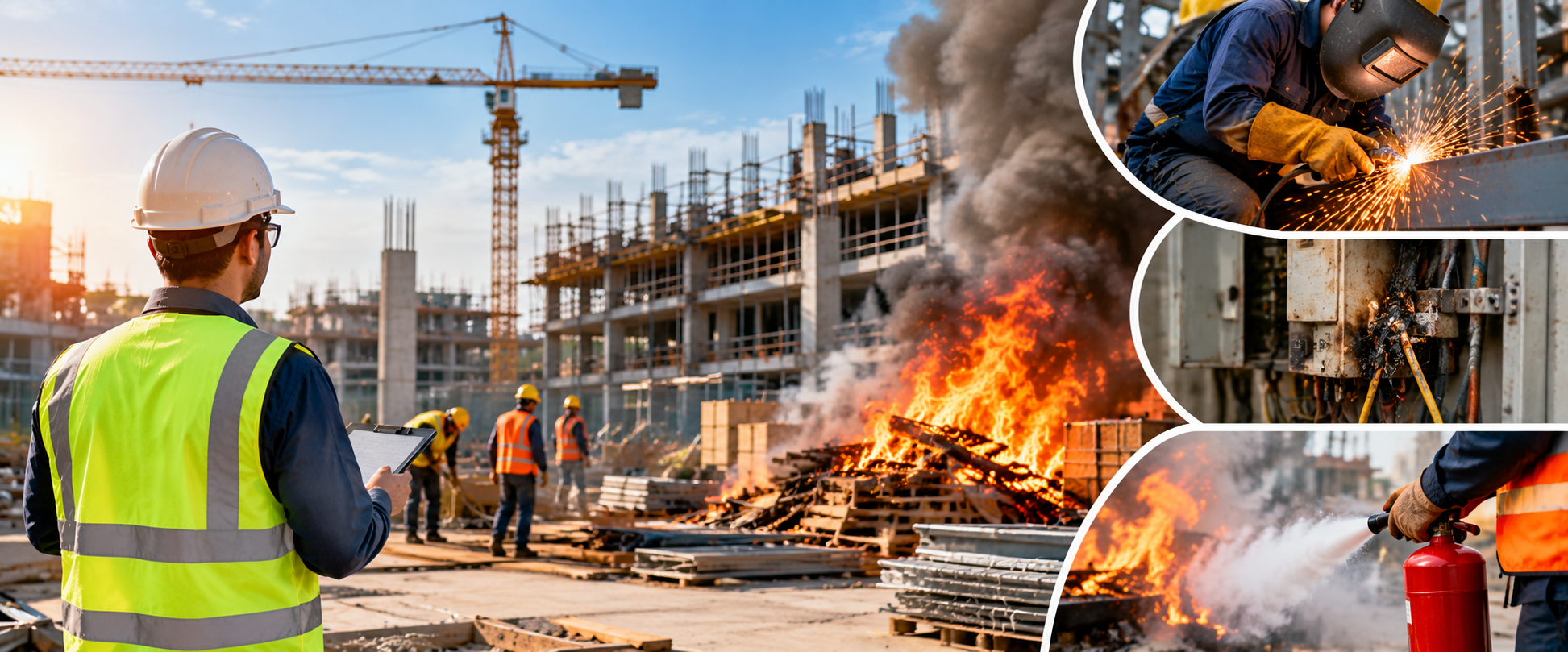
Fire Safety During Construction Work | Complete Safety Guide
Fire Safety During Construction Work | Complete Safety Guide NFSI India October 9, 2026 Fire Safety During Construction Work: Risks,...

Vadodara, Gujarat
NFSI India
July 22, 2026
Discover how Artificial Intelligence (AI) is revolutionizing fire safety through smart detection, predictive analytics, AI-powered surveillance, and emergency response in workplaces and industries.
Artificial Intelligence (AI) is changing industries across the world—from healthcare and manufacturing to transportation and workplace safety. Fire safety is no exception. Traditional fire protection systems rely on smoke detectors, heat sensors, and manual inspections. While these systems remain essential, they often react after a fire has already started.
Today, AI is helping organizations move from reactive fire protection to proactive fire prevention. By analyzing data in real time, identifying hazards before incidents occur, and supporting faster emergency response, AI is reshaping the future of workplace fire safety. This article explores how AI is transforming fire safety, the technologies driving this change, and why organizations should combine modern technology with professional fire safety training.
AI in fire safety refers to the use of Artificial Intelligence, Machine Learning (ML), computer vision, and data analytics to identify fire risks, detect abnormal conditions, and improve emergency response. Instead of waiting for smoke or flames, AI systems can recognize warning signs much earlier.
Examples include:
● Intelligent surveillance cameras
● Smart smoke detection
● Predictive maintenance systems
● AI-powered fire risk analysis
● Automated emergency alerts
Conventional systems are designed to detect fire after smoke or heat reaches a certain level.
Challenges include:
● Delayed detection
● False alarms
● Limited hazard prediction
● Manual inspections
● Human error
AI enhances these systems by providing continuous monitoring and intelligent decision-making.
One of the biggest advancements is AI-enabled video analytics. Instead of relying only on smoke detectors, AI cameras can identify:
● Smoke patterns
● Visible flames
● Sparks
● Unusual heat sources
● Hazardous activities
This allows organizations to respond much earlier.
AI can analyze large amounts of operational data. It identifies patterns such as:
● Overheating equipment
● Electrical abnormalities
● Repeated machine failures
● High-risk operational zones
Instead of reacting after a fire begins, companies can prevent incidents before they happen.
Modern AI surveillance systems continuously monitor workplaces.
They can automatically detect:
● Unauthorized smoking
● Fire hazards
● Blocked emergency exits
● Unsafe storage practices
● Sparks during welding
The system immediately sends alerts to responsible personnel.
Equipment failure is one of the leading causes of industrial fires.
AI can monitor:
● Electrical panels
● Motors
● Transformers
● UPS systems
● Battery charging stations
When abnormal temperatures or operating conditions are detected, maintenance teams receive
early warnings.
Electrical fires remain one of the most common workplace hazards.
AI systems monitor:
● Voltage fluctuations
● Current overload
● Abnormal energy consumption
● Equipment overheating
Early detection significantly reduces fire risk.
👉 Related Blog: Lithium-Ion Battery Fires: Why Every Workplace Should Be Prepared
Traditional smoke detectors may trigger false alarms due to dust or steam.
AI improves accuracy by analyzing:
● Smoke density
● Smoke movement
● Environmental conditions
● Multiple sensor inputs
This helps reduce unnecessary evacuations while improving reliability.
During emergencies, every second matters.
AI can assist by:
● Identifying the safest evacuation routes
● Locating affected areas
● Sending automated emergency notifications
● Sharing live information with response teams
This improves decision-making during critical situations.
Modern buildings increasingly integrate AI with:
● Fire alarms
● HVAC systems
● Access control
● CCTV
● Emergency lighting
● Building Management Systems (BMS)
These connected systems can automatically initiate emergency procedures when a fire is detected.
● Machine monitoring
● Fire risk prediction
● Equipment health analysis
● Battery charging monitoring
● Temperature detection
● Storage risk analysis
● Equipment monitoring
● Oxygen system safety
● Emergency coordination
● Server overheating detection
● UPS battery monitoring
● Early smoke detection
● Intelligent surveillance
● Occupancy monitoring
● Emergency evacuation support
AI is a powerful tool, but it cannot replace trained professionals.
AI cannot:
● Operate fire extinguishers
● Lead evacuations
● Train employees
● Make complex emergency decisions
● Replace human leadership during crises
Instead, AI works best as a support system that enhances human capabilities.
Even with advanced AI systems, employees must know how to respond during emergencies.
Professional training teaches:
● Fire prevention
● Fire extinguisher operation
● Emergency evacuation
● Hazard identification
● Workplace safety procedures
Technology is effective only when people know how to use it properly.
At NFSI (National Fire Safety Institute), we believe the future of fire safety combines advanced technology with practical human skills. Our training programs help organizations understand both traditional and emerging fire risks.
We offer:
✔ Corporate Fire Safety Training
✔ Fire Safety Audits
✔ Mock Fire Drill Programs
✔ Emergency Evacuation Planning
✔ Fire Extinguisher Demonstrations
✔ Workplace Hazard Identification
✔ Awareness on Emerging Fire Risks
Our practical approach helps organizations build a proactive safety culture while preparing employees to work safely in increasingly technology-driven workplaces.
The future of fire safety will include:
● AI-powered risk prediction
● Smart wearable safety devices
● Drone-assisted fire inspection
● IoT-enabled fire protection systems
● Digital twins for emergency planning
● Predictive safety analytics
Organizations that embrace these technologies while continuing to invest in employee training will be better prepared for future challenges.
Artificial Intelligence is transforming fire safety by improving detection, prediction, monitoring, and emergency response. However, technology alone cannot create a safe workplace. The most effective fire safety strategy combines AI-powered systems, regular fire safety audits, practical employee training, and strong emergency planning.
As workplaces become smarter, organizations must ensure that their people become smarter too. The future of fire safety is not just about intelligent technology—it is about intelligent preparedness.
Moisture, water seepage, damaged insulation, and short circuits increase the risk of electrical fires during the rainy season.
By inspecting electrical systems, maintaining fire protection equipment, conducting fire safety training, and organizing mock fire drills.
Yes. A properly maintained fire extinguisher can help control small fires in the initial stage, provided it is used safely and correctly.
Yes. Employees should know how to identify electrical hazards, report unsafe conditions, and follow emergency procedures.
Organizations and homeowners should conduct inspections at regular intervals and especially before the onset of the monsoon season.
Disclaimer:
This blog post is for informational purposes only and is not a substitute for professional fire safety advice. Always consult with experts for specific safety recommendations and guidance.
We hope you found this information helpful. Stay safe and be prepared!
Fire Safety During Construction Work | Complete Safety Guide NFSI India October 9, 2026 Fire Safety During Construction Work: Risks,...
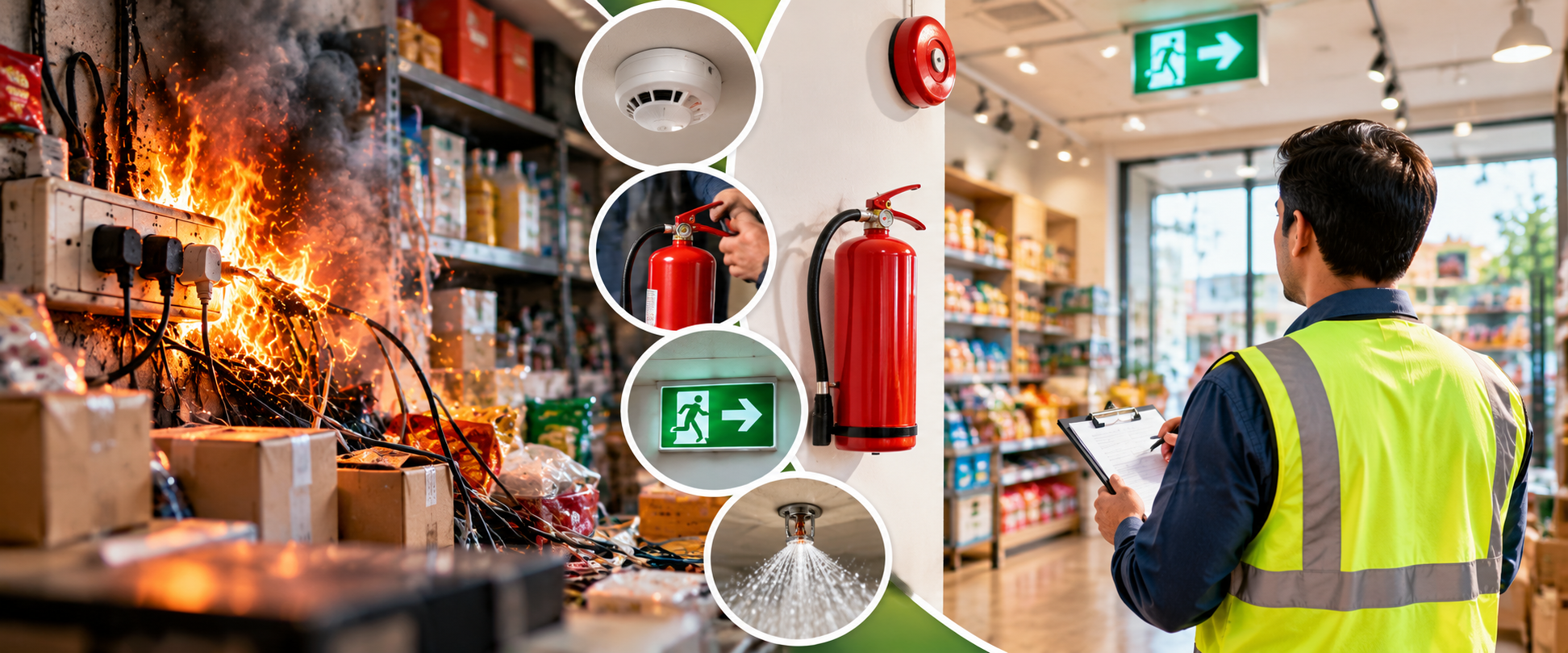
Fire Safety for Shops & Small Businesses | Complete Guide NFSI India September 28, 2026 Fire Safety for Shops &...
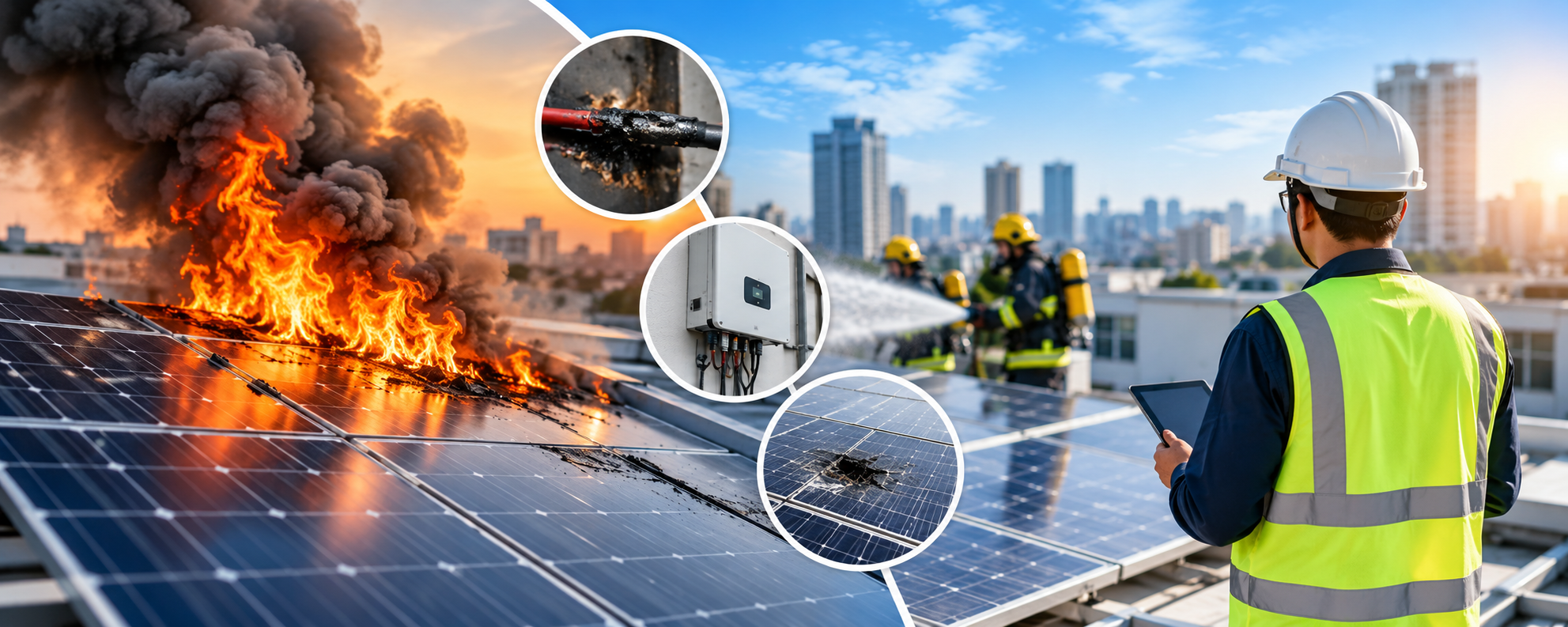
Solar Panel Fire Safety: Risks, Prevention & What Every Building Owner Should Know NFSI India October 6, 2026 Solar Panel...