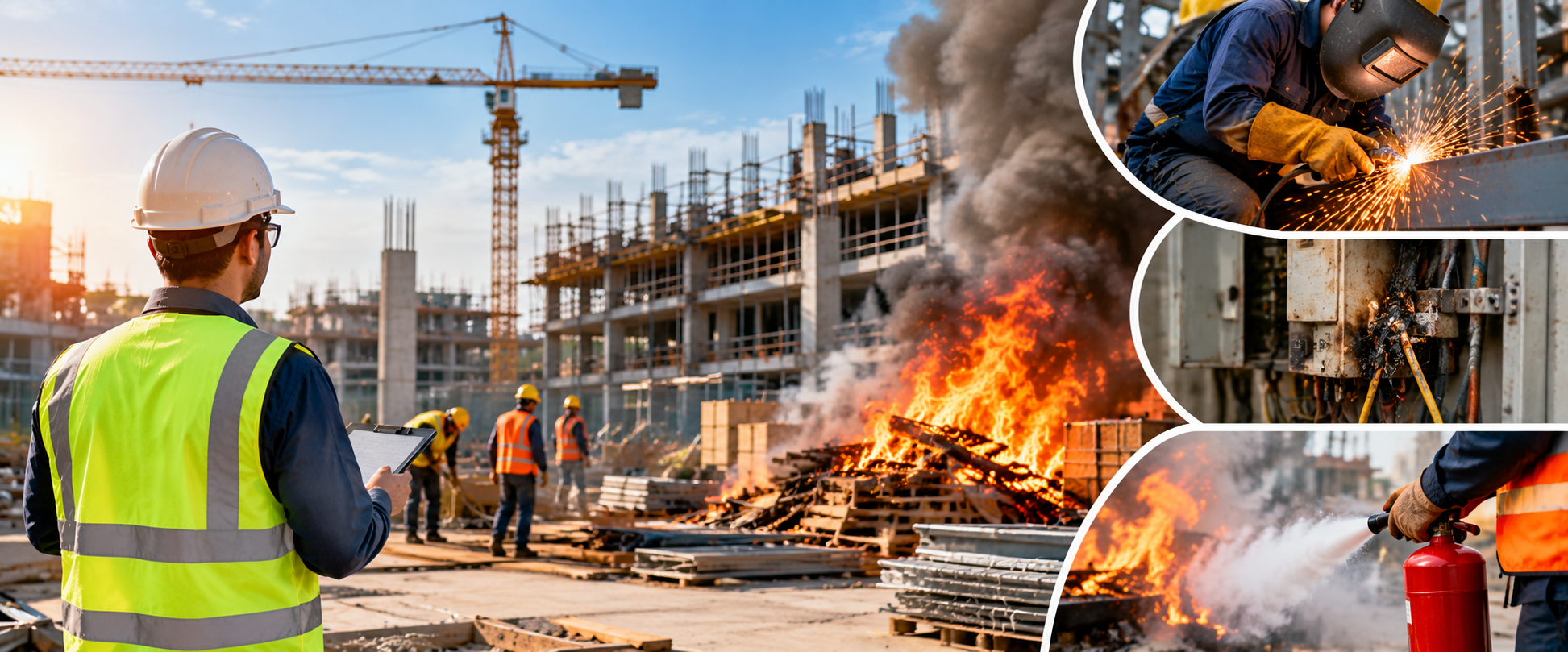
Fire Safety During Construction Work | Complete Safety Guide
Fire Safety During Construction Work | Complete Safety Guide NFSI India October 9, 2026 Fire Safety During Construction Work: Risks,...

Vadodara, Gujarat
NFSI India
July 28, 2026
Learn the best fire safety practices for hotels, resorts, and hospitality businesses. Discover fire prevention tips, emergency planning, staff training, and compliance measures to protect guests and property.
The hospitality industry is built on one promise—providing guests with a safe, comfortable, and memorable experience. Whether it’s a luxury hotel, boutique resort, business hotel, serviced apartment, or guest house, guest safety should always be the highest priority.
Hotels operate 24/7, accommodate hundreds of guests, and include multiple fire-risk areas such as kitchens, laundry rooms, electrical panels, boiler rooms, restaurants, banquet halls, and parking facilities. A single fire incident can threaten lives, disrupt operations, damage property, and seriously impact a hotel’s reputation.
This guide explains why fire safety is essential in hotels and the practical steps every hospitality business should take to prevent emergencies.
Hotels present unique fire safety challenges because:
● Guests may be unfamiliar with the building layout.
● Many occupants are asleep during the night.
● Large numbers of people may need to evacuate quickly.
● Kitchens and electrical systems operate continuously.
● Conference halls and banquet areas can become overcrowded.
● Staff work in multiple shifts.
A well-planned fire safety program helps protect lives while minimizing business disruption
Understanding potential hazards is the first step toward prevention.
Hotel kitchens contain:
● LPG or natural gas systems
● Deep fryers
● Cooking oils
● High-temperature equipment
Poor maintenance or unattended cooking can quickly lead to fires
Electrical hazards include:
● Overloaded circuits
● Damaged wiring
● Faulty appliances
● Poor maintenance
● Temporary electrical connections
Electrical faults remain one of the most common causes of hotel fires.
Laundry facilities generate:
● High temperatures
● Lint accumulation
● Electrical equipment usage
Lint buildup inside dryers can become a serious ignition source if not cleaned regularly.
These areas contain:
● Fuel systems
● High-temperature equipment
● Electrical panels
Routine inspection and preventive maintenance are essential.
Potential risks include:
● Mobile chargers
● Extension boards
● Electric kettles
● Hair dryers
● Unauthorized smoking
● Lithium-ion battery devices
Decorative lighting, temporary wiring, stage equipment, and large gatherings increase fire risk during events.
Every hotel should have:
● Smoke detectors
● Heat detectors
● Manual call points
● Audible alarm systems
● Emergency notification systems
Early detection saves lives.
Fire extinguishers should be:
● Easily accessible
● Properly labelled
● Regularly inspected
● Suitable for the identified fire risks
Staff should know their locations and basic use.
Emergency exits should always:
● Remain unlocked during occupancy (while maintaining security as required)
● Be free from obstructions
● Have illuminated exit signs
● Lead to safe assembly areas
Blocked exits can significantly delay evacuation.
Power failures may occur during emergencies.
Emergency lighting helps guests and staff evacuate safely, especially at night.
Every hotel should have documented procedures for:
● Fire alarms
● Guest evacuation
● Staff responsibilities
● Emergency communication
● Assembly points
● Assisting children, elderly guests, and persons with disabilities
Practice makes these plans effective.
Even the best fire protection systems are only part of the solution.
Employees should receive practical fire safety training covering:
● Safe housekeeping
● Electrical safety
● Kitchen fire prevention
● Hazard identification
Staff should understand:
● Different extinguisher types
● PASS technique
● Safe operation
● Situations where evacuation is the safer option
Training should include:
● Guiding guests calmly
● Assisting vulnerable occupants
● Assembly procedures
● Communication during emergencies.
Regular drills help employees:
● Build confidence
● Improve coordination
● Identify weaknesses in emergency plans
● Reduce panic during real emergencies
✔ Inspect fire extinguishers regularly
✔ Test smoke detectors and alarm systems
✔ Keep emergency exits unobstructed
✔ Maintain emergency lighting
✔ Inspect electrical installations
✔ Clean kitchen exhaust systems
✔ Remove lint from laundry equipment
✔ Maintain generators and boiler rooms
✔ Store flammable materials safely
✔ Conduct periodic fire safety audits
✔ Train all employees
✔ Organize regular mock fire drills
Hotels can encourage guest safety by:
● Displaying evacuation maps inside rooms
● Providing emergency contact information
● Keeping exit routes clearly marked
● Advising guests not to overload electrical outlets
● Discouraging smoking in non-designated areas
● Sharing emergency instructions during check-in where appropriate
A professional Fire Safety Audit helps hotels:
● Identify hidden hazards
● Evaluate fire protection systems
● Review evacuation arrangements
● Improve compliance with applicable fire safety requirements
● Strengthen emergency preparedness
Audits should be conducted periodically and after major renovations or operational changes
At NFSI (National Fire Safety Institute), we help hotels and hospitality businesses create safer environments for guests and employees through practical, industry-focused fire safety solutions.
Our services include
✔ Fire Safety Audits
✔ Corporate Fire Safety Training
✔ Hotel Staff Fire Safety Programs
✔ Mock Fire Drill Exercises
✔ Fire Extinguisher Demonstrations
✔ Emergency Evacuation Planning
✔ Workplace Hazard Identification
With over 25 years of experience, NFSI supports hotels, resorts, restaurants, banquet facilities, and hospitality organizations in strengthening emergency preparedness and promoting a culture of safety.
Fire safety is not just a regulatory responsibility—it is a commitment to protecting guests, employees, and business continuity. Hotels that invest in reliable fire protection systems, regular inspections, staff training, and emergency preparedness are better equipped to prevent incidents and respond effectively if emergencies occur.
A safe hotel builds guest confidence, protects its reputation, and ensures uninterrupted operations.
Hotels accommodate many guests who may not be familiar with the building layout. Effective fire safety measures help protect lives, property, and business operations.
Common hazards include commercial kitchens, electrical faults, laundry rooms, boiler rooms, guest room appliances, and temporary electrical installations used during events.
Hotels should conduct drills at intervals appropriate to their operations and in line with applicable regulations and internal safety policies.
Yes. Staff should know how to identify hazards, respond to alarms, assist guests during evacuation, and use fire extinguishers where appropriate.
A fire safety audit typically reviews fire protection systems, emergency exits, electrical safety, evacuation procedures, fire equipment, and overall workplace hazards.
Disclaimer:
This blog post is for informational purposes only and is not a substitute for professional fire safety advice. Always consult with experts for specific safety recommendations and guidance.
We hope you found this information helpful. Stay safe and be prepared!
Fire Safety During Construction Work | Complete Safety Guide NFSI India October 9, 2026 Fire Safety During Construction Work: Risks,...
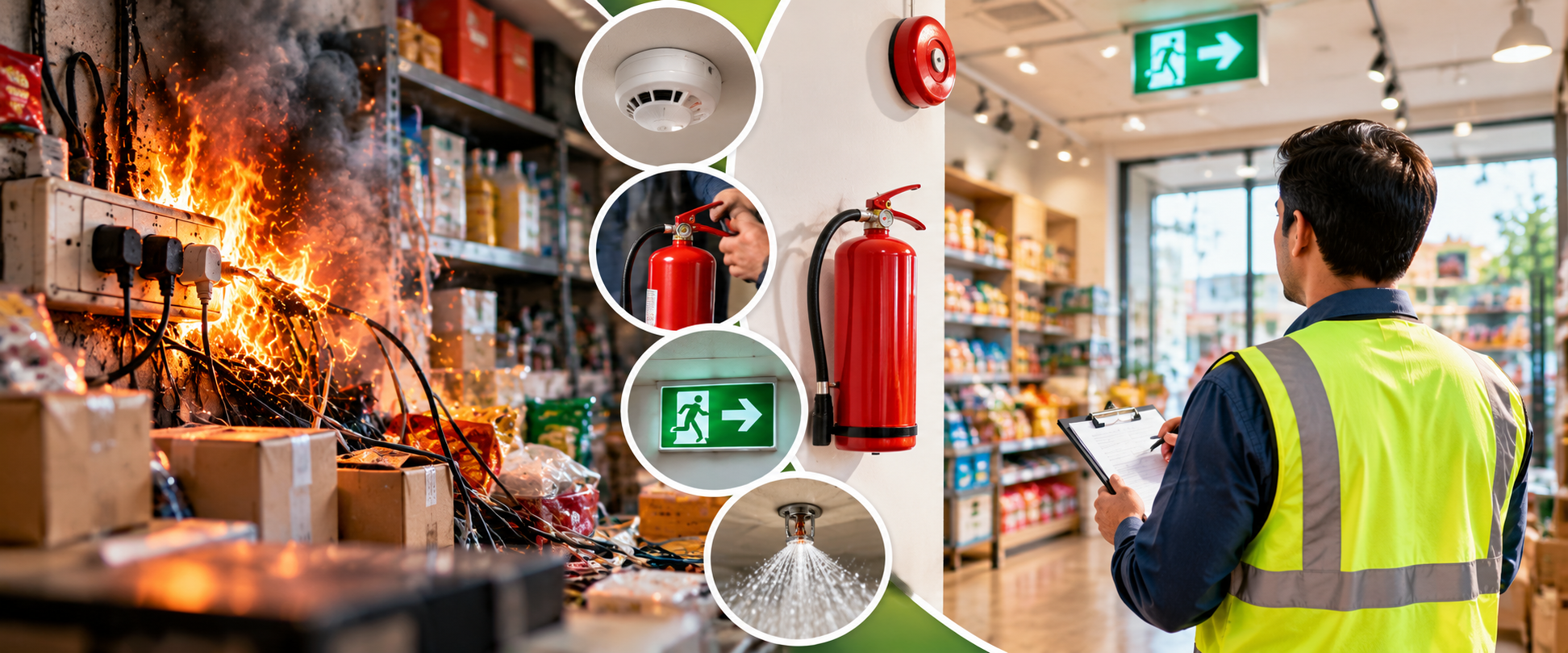
Fire Safety for Shops & Small Businesses | Complete Guide NFSI India September 28, 2026 Fire Safety for Shops &...
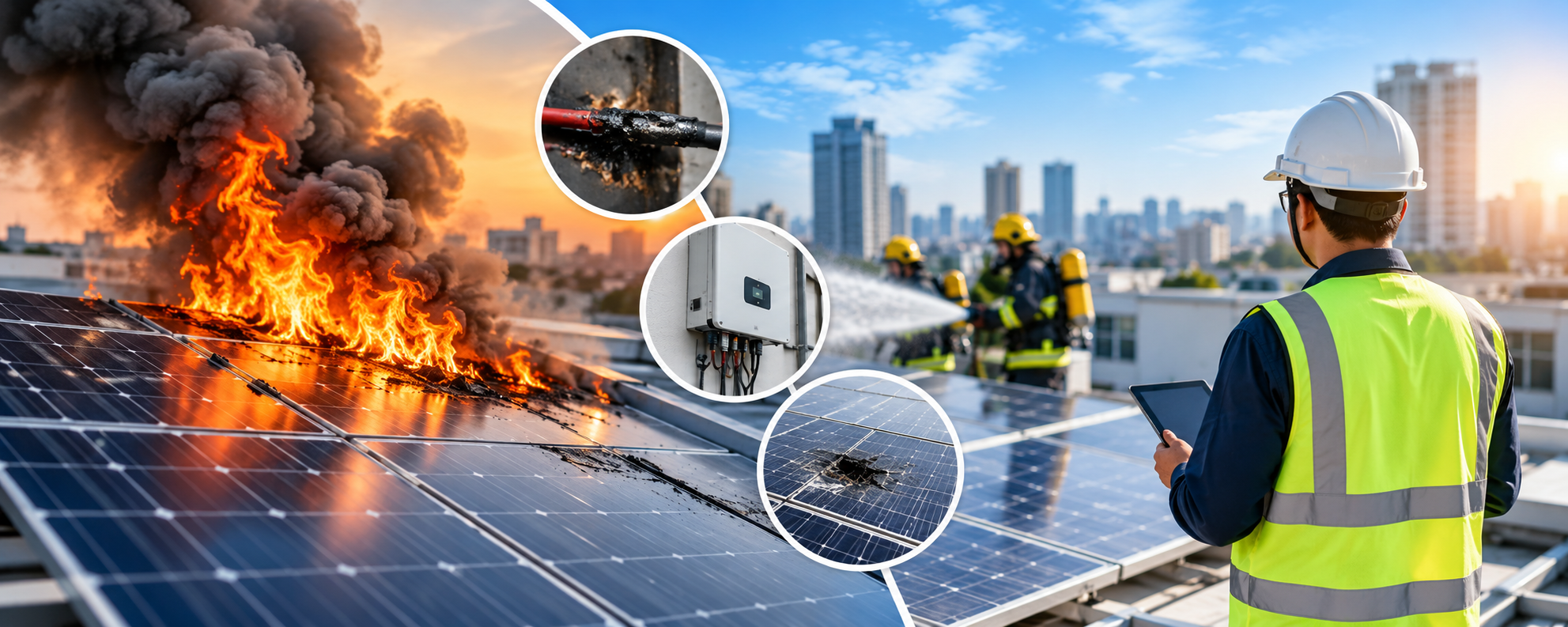
Solar Panel Fire Safety: Risks, Prevention & What Every Building Owner Should Know NFSI India October 6, 2026 Solar Panel...