Fire Safety During Construction Work | Complete Safety Guide
Fire Safety During Construction Work | Complete Safety Guide NFSI India October 9, 2026 Fire Safety During Construction Work: Risks,...

Vadodara, Gujarat
NFSI India
August 8, 2026
Learn which fire extinguisher should be used for different types of fires. Understand ABC, CO₂, Foam, Water, Wet Chemical, and Clean Agent extinguishers with practical safety tips.
Fire extinguishers are one of the most important pieces of fire safety equipment in any home, office, factory, school, hospital, or commercial building. However, having a fire extinguisher is not enough—you must know which extinguisher to use for different types of fires.
Using the wrong extinguisher can make a fire worse, increase the risk of injury, or damage valuable equipment. This guide explains the different types of fire extinguishers, where they should be used, and why proper fire safety training is essential for every workplace.
Different fires require different extinguishing methods.
For example:
● Water works well on paper fires.
● Water should not be used on energized electrical fires.
● Kitchen oil fires require a different approach than ordinary combustible material fires.
Choosing the correct extinguisher helps:
● Control small fires more effectively
● Protect people from injury
● Minimize property damage
● Reduce the spread of fire
● Improve emergency response
Before selecting an extinguisher, it’s important to understand the different fire classes.
These involve ordinary combustible materials such as:
● Wood
● Paper
● Cloth
● Cardboard
● Plastic (certain ordinary combustibles)
Common locations:
● Offices
● Schools
● Homes
● Warehouses
These involve flammable liquids such as:
● Petrol
● Diesel
● Paint
● Solvents
● Oils
Common locations:
● Garages
● Fuel storage areas
● Factories
● Workshops
In India, this class generally refers to flammable gas fires, such as LPG, CNG, or propane.
Common locations:
● Commercial kitchens
● Industrial gas storage
● Laboratories
These involve energized electrical equipment such as:
● Electrical panels
● Server rooms
● Computers
● UPS systems
● Machinery
These involve combustible metals such as:
● Magnesium
● Sodium
● Titanium
● Aluminium powder
Usually found in specialized industries.
These involve:
● Deep fryers
● Vegetable oils
● Animal fats
Common in:
● Restaurants
● Hotels
● Commercial kitchens
Best For:
✅ Class A Fires
Suitable for:
● Paper
● Wood
● Cloth
Do NOT Use On:
❌ Electrical fires
❌ Flammable liquids
Best For:
✅ Class A
✅ Class B
Suitable for:
● Offices
● Warehouses
● Petrol storage
Foam creates a blanket over flammable liquids to reduce oxygen supply.
One of the most commonly used extinguishers.
Suitable For:
✅ Class A
✅ Class B
✅ Class C (flammable gas)
It can also be used on energized electrical equipment in many situations, provided it is safe to do so.
Ideal for:
● Homes
● Offices
● Shops
● Factories
● Schools
Because of its versatility, ABC extinguishers are among the most widely recommended for general-purpose fire protection
Best For:
✅ Electrical Fires
Suitable for:
● Server rooms
● Offices
● Electrical panels
● Computer labs
Advantages:
● Leaves no residue
● Safe for electronic equipment
● Quick knock-down effect
Designed specifically for:
✅ Cooking oil fires
Used in:
● Hotels
● Restaurants
● Commercial kitchens
This extinguisher cools the oil and helps prevent re-ignition.
Suitable for:
● Data centers
● Server rooms
● Laboratories
● Telecom facilities
Advantages:
● No residue
● Safe for sensitive electronic equipment
● Minimal equipment damage
| Fire Type | Recommended Extinguisher |
|---|---|
| Wood, Paper, Cloth | Water / ABC |
| Petrol, Diesel, Paint | Foam / ABC |
| LPG & Gas Fires | ABC Powder |
| Electrical Equipment | CO₂ / Clean Agent (or suitable dry chemical where appropriate) |
| Cooking Oil | Wet Chemical |
| Metal Fires | Special Class D Extinguisher |
Every employee should know the PASS method.
P – Pull
Pull the safety pin.
A – Aim
Aim at the base of the fire.
S – Squeeze
Press the operating handle.
S – Sweep
Sweep from side to side until the fire is extinguished.
Practical training helps employees perform these steps correctly.
❌ Using water on electrical fires
❌ Using the wrong extinguisher
❌ Ignoring expired extinguishers
❌ Blocking access to extinguishers
❌ Never training employees
❌ Waiting too long before raising the alarm
Regularly inspect:
✔ Pressure gauge
✔ Safety pin
✔ Hose condition
✔ Physical damage
✔ Inspection tag
✔ Expiry/service date
✔ Accessibility
A damaged or expired extinguisher may fail during an emergency.
Owning an extinguisher is only the first step.
Employees should know:
● Which extinguisher to choose
● How to operate it
● When it is safe to use it
● When evacuation is the safer option
● How to report emergencies
Practical demonstrations significantly improve confidence and emergency response
At NFSI (National Fire Safety Institute), we believe that practical knowledge saves lives.
Our training programs include:
✔ Fire Extinguisher Demonstrations
✔ Hands-on Practical Training
✔ Corporate Fire Safety Training
✔ Mock Fire Drills
✔ Emergency Evacuation Training
✔ Fire Safety Audits
✔ Workplace Fire Risk Assessment
With over 25 years of experience, NFSI has trained thousands of students, employees, security personnel, and corporate teams across various industries.
Our practical approach helps participants understand not only which extinguisher to use, but also how to respond confidently during a real emergency
Choosing the correct fire extinguisher is one of the most important aspects of fire safety.
Every extinguisher is designed for specific fire hazards, and using the wrong type can increase the risk instead of reducing it. By understanding fire classes, maintaining equipment, and providing regular employee training, organizations can improve emergency preparedness and create a safer environment for everyone.
The best fire extinguisher is not simply the one mounted on the wall—it is the one that is correctly selected, properly maintained, and used by a trained individual.
ABC Dry Chemical Powder extinguishers are commonly used in offices because they can handle several common fire types. CO₂ extinguishers are also widely used near electrical equipment.
No. Water should not be used on energized electrical fires because it can increase the risk of electric shock.
Wet Chemical extinguishers are specifically designed for cooking oil and fat fires.
Visual inspections should be carried out regularly, and servicing should follow the manufacturer’s recommendations and applicable regulations.
Training helps people identify the correct extinguisher, operate it safely, and understand when evacuation is the safest option.
Disclaimer:
This blog post is for informational purposes only and is not a substitute for professional fire safety advice. Always consult with experts for specific safety recommendations and guidance.
We hope you found this information helpful. Stay safe and be prepared!
Fire Safety During Construction Work | Complete Safety Guide NFSI India October 9, 2026 Fire Safety During Construction Work: Risks,...
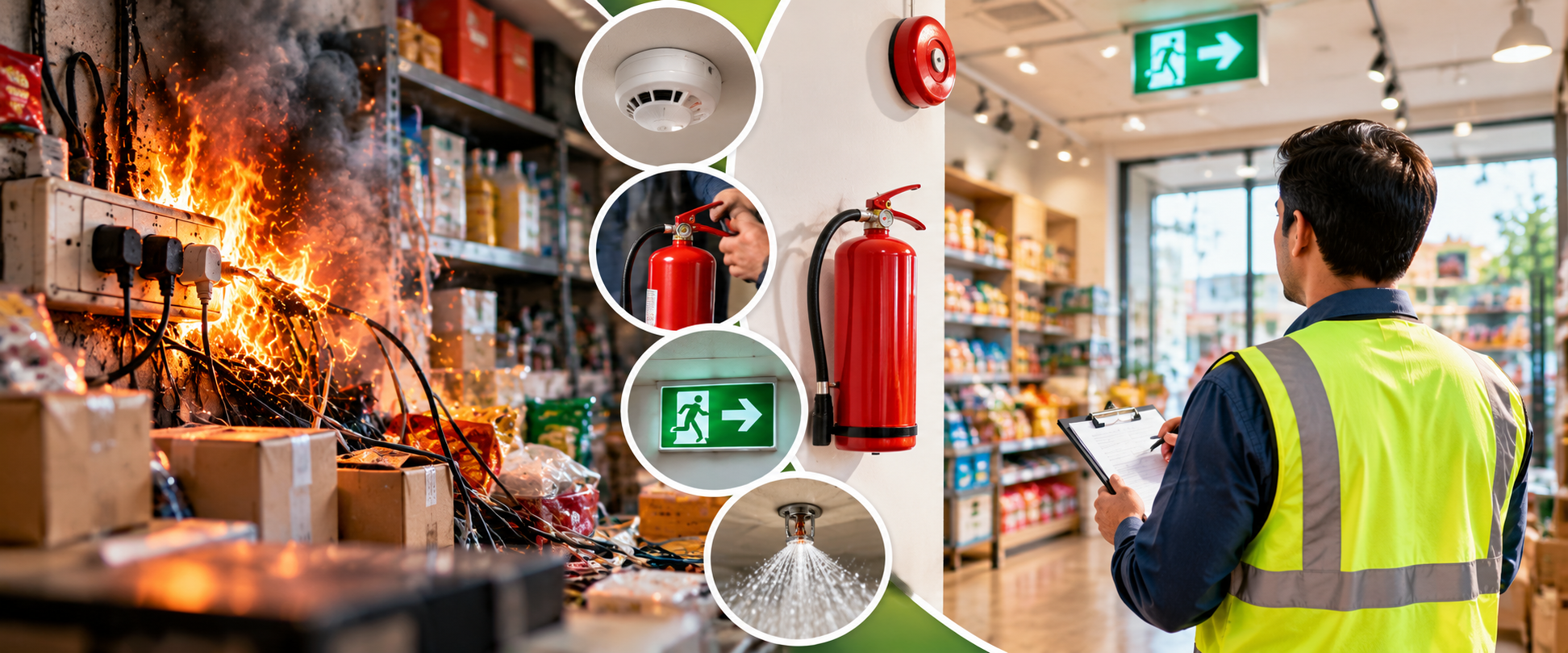
Fire Safety for Shops & Small Businesses | Complete Guide NFSI India September 28, 2026 Fire Safety for Shops &...
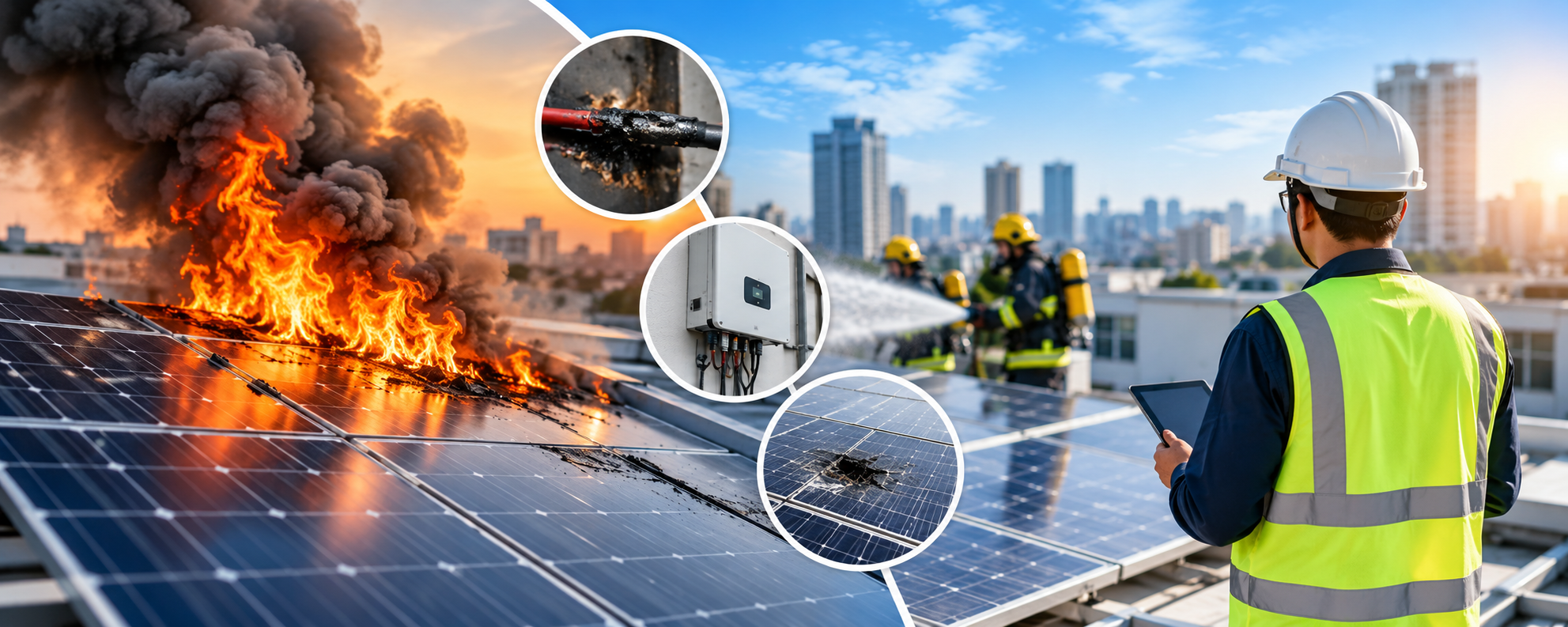
Solar Panel Fire Safety: Risks, Prevention & What Every Building Owner Should Know NFSI India October 6, 2026 Solar Panel...