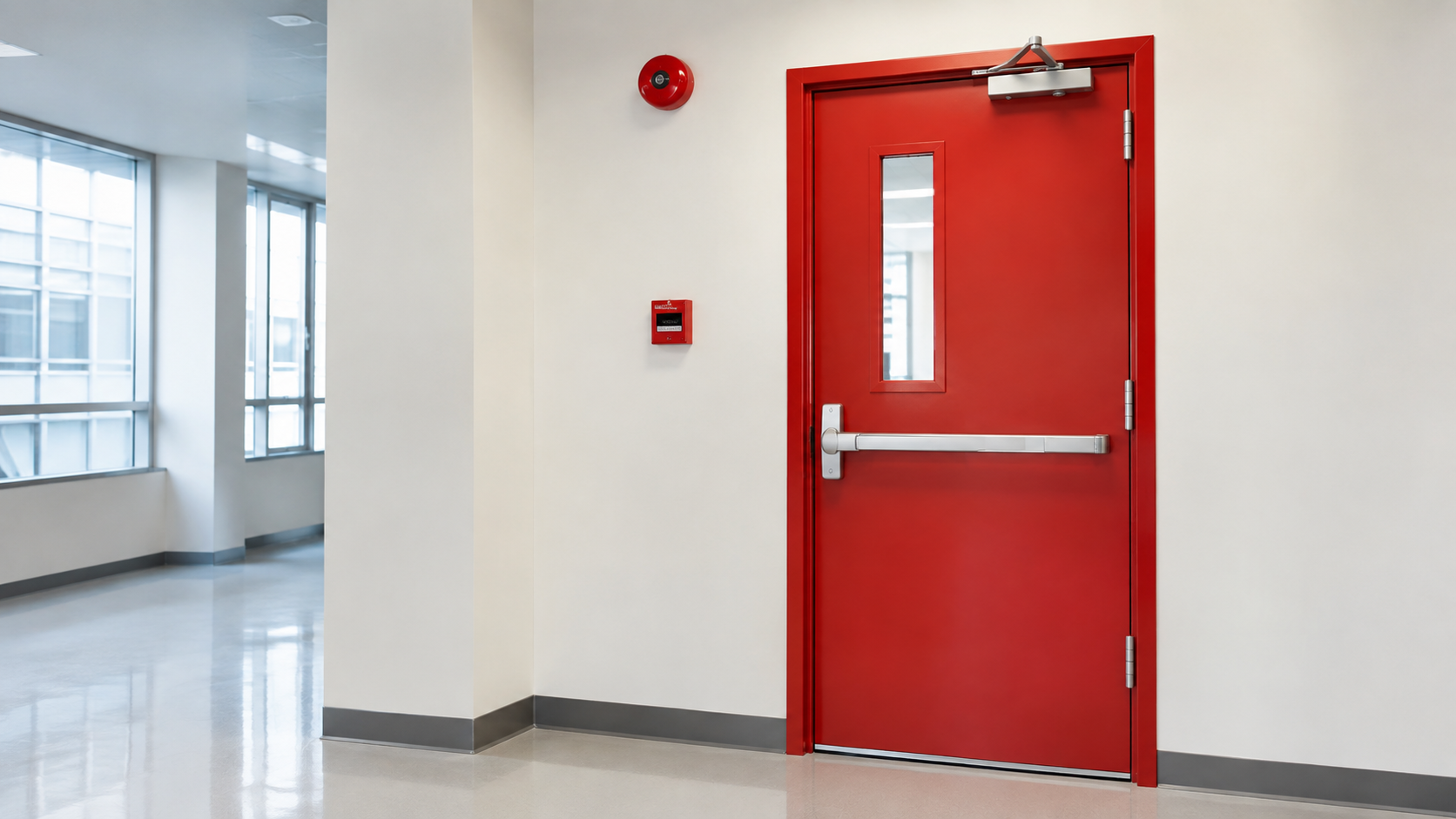
Fire Door Safety: Importance, Types, Inspection & Maintenance Guide
Fire Door Safety: Importance, Types, Inspection & Maintenance Guide NFSI India September 11, 2026 Fire Door Safety: How Fire Doors...

Vadodara, Gujarat
NFSI India
July 9, 2026
Understand the difference between fire safety audits and fire safety training. Learn why both are essential for workplace safety, compliance, and emergency preparedness.
Many business owners, HR managers, factory managers, and facility managers believe that installing fire extinguishers or conducting one fire safety session is enough to protect their workplace.
However, one of the most common questions organizations ask is:
“Do we need a Fire Safety Audit or Fire Safety Training?”
The answer is simple:
Both serve different purposes, and together they create a complete workplace fire safety system.
A Fire Safety Audit identifies risks, while Fire Safety Training prepares people to respond effectively during emergencies. In this guide, we’ll explain the difference between these two essential services and why every organization should invest in both.
A Fire Safety Audit is a systematic inspection of a workplace to evaluate its fire prevention measures, fire protection systems, emergency preparedness, and compliance with applicable safety standards.
The purpose of an audit is to identify hazards before they become incidents.
A professional audit helps organizations:
● Identify fire hazards
● Evaluate fire protection systems
● Review emergency exits
● Check fire extinguisher placement
● Inspect electrical safety
● Assess evacuation procedures
● Improve overall workplace safety
A fire safety audit focuses on buildings, equipment, infrastructure, and systems.
Typical audit activities include:
Checking:
● Accessibility
● Pressure
● Expiry
● Proper placement
Inspection of:
● Electrical panels
● Wiring
● Overloaded circuits
● Switchboards
Reviewing:
● Exit accessibility
● Emergency lighting
● Exit signage
Inspection of:
● Smoke detectors
● Alarm systems
● Sprinklers
● Hydrants
● Hose reels
Identifying:
● Combustible materials
● Chemical storage
● Battery charging areas
● High-risk equipment
Fire Safety Training focuses on people rather than infrastructure.
It prepares employees to:
● Prevent fire incidents
● Recognize hazards
● Use fire extinguishers
● Respond during emergencies
● Evacuate safely
● Assist others
Training builds confidence and ensures employees know exactly what to do if a fire occurs.
Professional training generally covers:
Understanding:
● Causes of fire
● Fire classes
● Fire prevention
Employees learn:
● Different extinguisher types
● PASS Technique
● Practical operation
Employees participate in:
● Alarm response
● Evacuation
● Assembly procedures
● Emergency communication
Training includes:
● Exit routes
● Safe assembly points
● Helping visitors
● Crowd management
Employees learn:
● Initial response actions
● Reporting procedures
● Team coordination
| Feature | Fire Safety Audit | Fire Safety Training |
| Focus | Infrastructure & Systems | Employees & People |
| Purpose | Identify hazards | Build emergency response skills |
| Conducted By | Fire Safety Auditor | Certified Fire Safety Trainer |
| Includes | Equipment inspection, compliance review, risk assessment | Practical demonstrations, fire drills, evacuation training |
| Outcome | Audit report with recommendations | Trained and confident employees |
| Frequency | Periodically or as required | Regularly and during employee onboarding |
Many organizations believe that installing firefighting equipment is enough.
Others conduct employee training but never inspect equipment.
Both approaches leave critical gaps.
An audit without training means:
❌ Employees may not know how to respond.
Training without an audit means:
❌ Safety equipment or infrastructure may not function properly.
The safest workplaces combine both.
✔ Identifies hidden fire hazards
✔ Improves compliance
✔ Reduces workplace risk
✔ Protects assets
✔ Supports insurance and safety documentation
✔ Improves emergency planning
✔ Builds employee confidence
✔ Improves emergency response
✔ Reduces panic
✔ Saves lives
✔ Strengthens workplace safety culture
✔ Encourages hazard reporting
Many organizations:
● Install extinguishers but never inspect them.
● Conduct training once and never repeat it.
● Skip mock fire drills.
● Ignore electrical hazards.
● Block emergency exits.
● Do not update evacuation plans.
These mistakes can significantly increase risk during a real emergency.
A professional audit is recommended:
● Before opening a new facility
● After renovation
● When expanding operations
● After installing new machinery
● Periodically as part of safety management
● After any significant fire incident or near miss
Training should be provided:
● During new employee induction
● For contractors and temporary staff where appropriate
● After workplace layout changes
● When new fire risks are introduced
● As refresher training at regular intervals
● Before conducting mock fire drills
At NFSI (National Fire Safety Institute), we believe that fire safety is not just about compliance—it is about creating a culture of preparedness. With more than 25 years of experience in fire and safety education and corporate training, NFSI has trained thousands of professionals and supported organizations across different sectors with practical, industry-focused solutions.
Our services include:
✔ Fire Safety Audits
✔ Corporate Fire Safety Training
✔ Mock Fire Drill Programs
✔ Fire Extinguisher Demonstrations
✔ Emergency Evacuation Planning
✔ Workplace Fire Risk Assessment
✔ Fire Safety Awareness Sessions
Our experienced trainers focus on practical learning, helping organizations strengthen emergency preparedness while supporting applicable safety requirements.
Fire Safety Audits and Fire Safety Training are not alternatives—they are complementary parts of an effective workplace fire safety program. A fire safety audit helps you identify and eliminate risks, while fire safety training ensures your employees know how to respond if an emergency occurs.
Organizations that combine regular audits with ongoing employee training are better prepared to protect lives, property, and business operations. Investing in both is one of the most effective ways to build a safer and more resilient workplace.
A fire safety audit evaluates workplace infrastructure, equipment, and compliance, while fire safety training prepares employees to prevent and respond to fire emergencies.
Requirements vary depending on the type of organization, applicable regulations, and local fire safety requirements. Many businesses conduct audits as part of their safety management and compliance processes.
Organizations should follow applicable regulations and internal policies. Many companies provide induction training for new employees and periodic refresher sessions.
Yes, but combining both provides a more comprehensive fire safety program because infrastructure and employee preparedness are equally important.
Because safe equipment alone cannot prevent incidents if employees are untrained, and trained employees cannot respond effectively if fire protection systems are inadequate.
Disclaimer:
This blog post is for informational purposes only and is not a substitute for professional fire safety advice. Always consult with experts for specific safety recommendations and guidance.
We hope you found this information helpful. Stay safe and be prepared!
Fire Door Safety: Importance, Types, Inspection & Maintenance Guide NFSI India September 11, 2026 Fire Door Safety: How Fire Doors...
Best Fire Safety Training in Vadodara & Gujarat | NFSI NFSI India September 10, 2026 Why NFSI Is One of...
Raksha Bandhan & Fire Safety | The True Meaning of Protection Beyond the Festival NFSI India August 26, 2026 Celebrate...