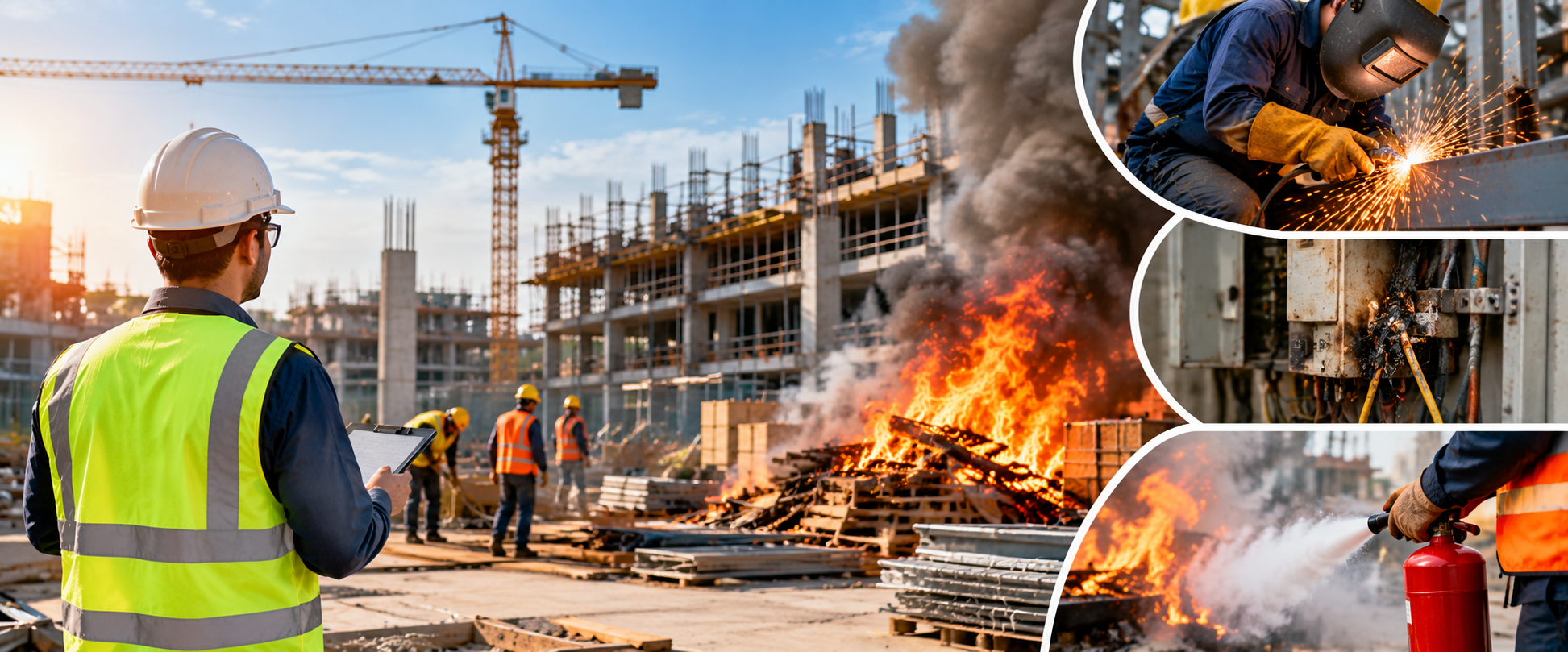
Fire Safety During Construction Work | Complete Safety Guide
Fire Safety During Construction Work | Complete Safety Guide NFSI India October 9, 2026 Fire Safety During Construction Work: Risks,...

Vadodara, Gujarat
NFSI India
August 20, 2026
Discover the most common fire safety myths and the real facts behind them. Learn how proper fire safety training and awareness can help prevent accidents and save lives.
When it comes to fire safety, misinformation can be just as dangerous as fire itself.
Many people rely on outdated advice, assumptions, or myths that can lead to poor decisions during an emergency. Whether at home, in an office, factory, hotel, school, or hospital, believing the wrong information can put lives, property, and businesses at serious risk.
The good news is that most fire incidents can be prevented with the right knowledge, proper planning, and regular fire safety training.
In this article, we’ll debunk some of the most common fire safety myths and explain the facts that everyone should know.
Fire emergencies often develop within minutes. During such situations, people don’t have time to search for information—they rely on what they already know. Unfortunately, if that knowledge is based on myths rather than facts, the consequences can be severe.
Professional fire safety training helps people:
● Recognize real fire hazards
● Respond calmly during emergencies
● Use fire extinguishers correctly
● Follow safe evacuation procedures
● Reduce panic and confusion
Fire can occur anywhere.
Common locations include:
● Homes
● Offices
● Hotels
● Hospitals
● Schools
● Shopping malls
● Warehouses
● Restaurants
Electrical faults, unattended cooking, overloaded sockets, and poor maintenance can cause fires in almost any environment.
Fire safety is everyone’s responsibility—not just industrial facilities.
Different fires require different extinguishers.
For example:
● Water is suitable for ordinary combustible materials such as wood and paper.
● CO₂ extinguishers are commonly used around energized electrical equipment.
● Wet Chemical extinguishers are designed for commercial kitchen oil fires.
Using the wrong extinguisher can increase the danger.
👉 Read our guide: Which Fire Extinguisher Should You Use?
Most large fires start as small fires.
If not controlled quickly—or if conditions are unsafe—they can spread rapidly.
Never ignore:
● Burning smells
● Smoke
● Sparking electrical equipment
● Small flames
Early reporting can prevent major incidents
Smoke is often more dangerous than flames because it can reduce visibility and contain toxic gases.
During evacuation:
● Stay calm
● Follow designated exit routes
● Stay low if appropriate to avoid excessive smoke exposure
● Never use elevators unless specifically instructed for emergency use
● Follow emergency procedures and staff instructions.
Fire drills save lives.
Mock drills help people:
● Learn evacuation routes
● Understand emergency procedures
● Identify weaknesses in emergency plans
● Build confidence
Regular practice reduces panic during real emergencies.
Fire extinguishers require regular inspection and servicing.
Check for:
● Pressure gauge condition
● Safety pin
● Physical damage
● Hose condition
● Inspection tag
● Service date
An extinguisher that has not been maintained may not work when needed.
Water should not be used on energized electrical fires.
Doing so can increase the risk of electric shock and make the situation more dangerous.
Always follow your organization’s emergency procedures and use the appropriate extinguisher if it is safe to do so.
Fire protection equipment alone cannot prevent emergencies.
Employees must know:
● How to identify hazards
● How to raise the alarm
● How to use fire extinguishers safely
● How to evacuate
● Who to contact
Training and awareness are just as important as equipment.
Every employee has a role in workplace safety.
Fire safety training should include:
● Office staff
● Security personnel
● Housekeeping teams
● Maintenance staff
● Supervisors
● Managers
● Contract workers (where appropriate)
A well-informed workforce improves overall emergency preparedness.
One of the biggest risks is believing that fire incidents only happen to other organizations.
Many fires are caused by everyday issues such as:
● Overloaded electrical circuits
● Faulty wiring
● Improper storage of flammable materials
● Neglected maintenance
● Human error
Preparedness should begin before an emergency occurs.
Many incidents occur because organizations:
● Ignore small electrical faults
● Delay equipment maintenance
● Block emergency exits
● Skip mock fire drills
● Never inspect fire extinguishers
● Fail to train new employees
Addressing these issues can significantly reduce workplace fire risks.
Knowledge saves lives.
Professional fire safety training helps participants:
✔ Understand fire hazards
✔ Choose the correct fire extinguisher
✔ Operate fire safety equipment
✔ Follow emergency evacuation procedures
✔ Respond confidently during emergencies
Regular training builds a culture of preparedness across the organization.
At NFSI (National Fire Safety Institute), we believe that awareness is the first step toward prevention.
For more than 25 years, NFSI has been helping organizations, institutions, and individuals strengthen their fire safety knowledge through practical, industry-focused training.
Our services include:
✔ Corporate Fire Safety Training
✔ Fire Safety Awareness Programs
✔ Mock Fire Drill Exercises
✔ Fire Safety Audits
✔ Fire Extinguisher Demonstrations
✔ Emergency Evacuation Planning
✔ Workplace Fire Risk Assessment
Our experienced trainers combine theory with practical demonstrations, helping participants understand the facts—not the myths—about fire safety.
Fire safety myths can create a false sense of security and lead to dangerous decisions during emergencies.
By replacing myths with facts, organizations and individuals can improve preparedness, reduce fire risks, and respond more effectively when every second counts.
Fire safety begins with awareness, but it becomes effective through proper training, regular inspections, and continuous practice.
Don’t let myths guide your actions—let knowledge protect lives.
One of the most common myths is that a single fire extinguisher can be used on every type of fire. In reality, different extinguishers are designed for different fire hazards.
Fire drills help people practice evacuation procedures, improve coordination, and reduce panic during real emergencies.
No. Water should not be used on energized electrical fires because it can increase the risk of electric shock.
Every employee may need to respond during an emergency. Training improves awareness, confidence, and overall workplace safety.
Organizations can improve awareness through regular fire safety training, mock fire drills, fire safety audits, hazard reporting, and continuous employee education.
Disclaimer:
This blog post is for informational purposes only and is not a substitute for professional fire safety advice. Always consult with experts for specific safety recommendations and guidance.
We hope you found this information helpful. Stay safe and be prepared!
Fire Safety During Construction Work | Complete Safety Guide NFSI India October 9, 2026 Fire Safety During Construction Work: Risks,...
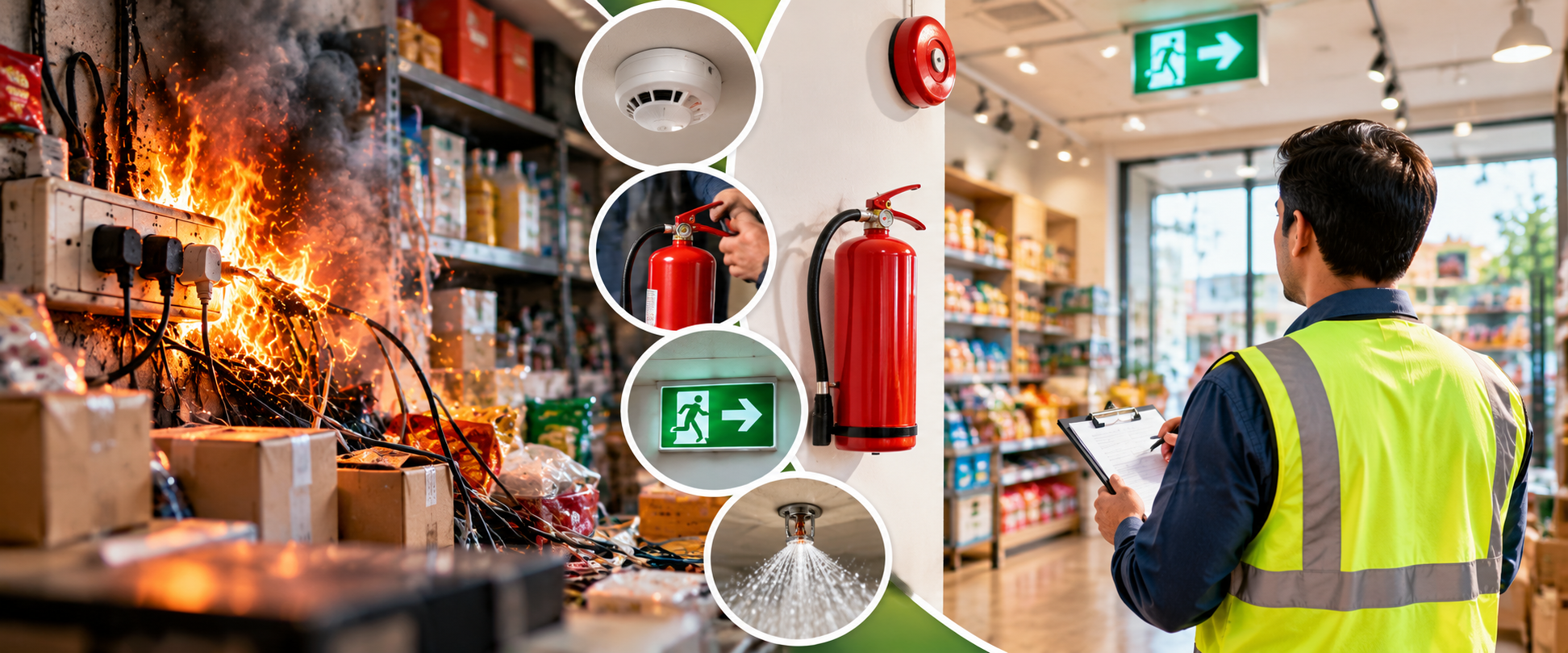
Fire Safety for Shops & Small Businesses | Complete Guide NFSI India September 28, 2026 Fire Safety for Shops &...
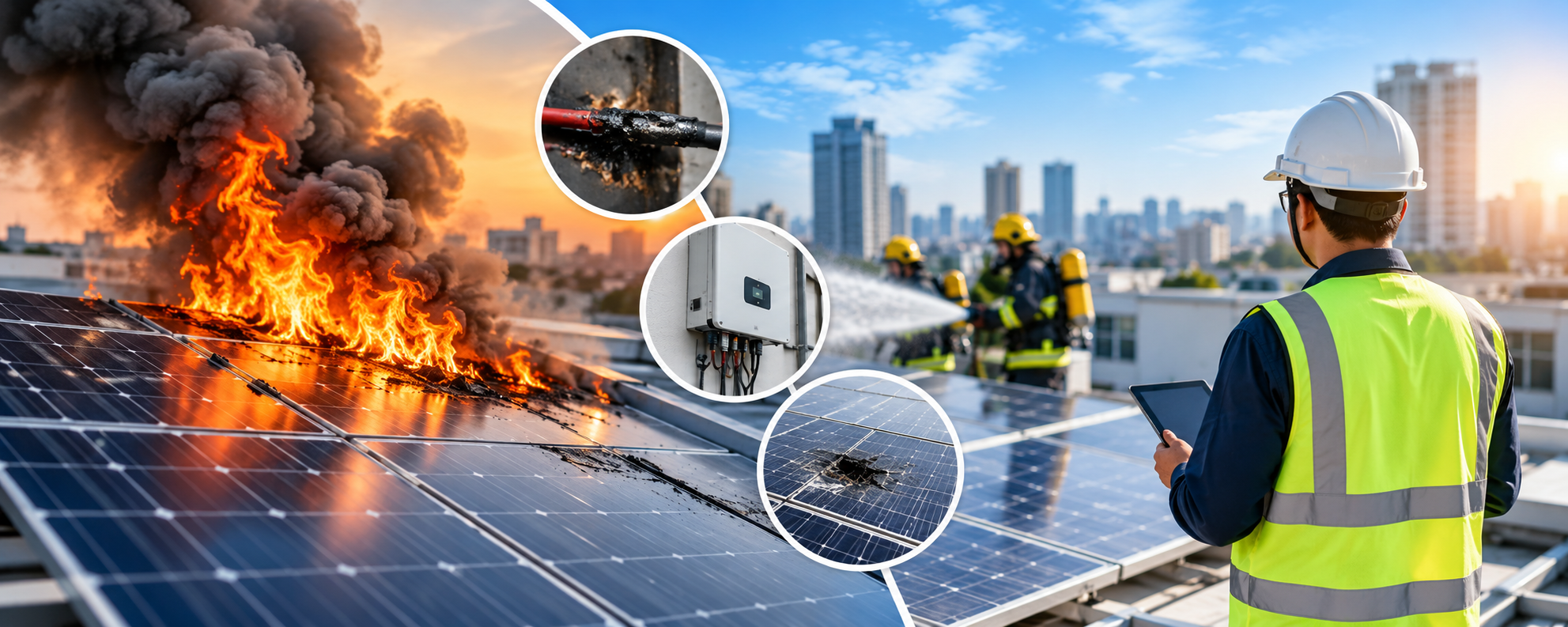
Solar Panel Fire Safety: Risks, Prevention & What Every Building Owner Should Know NFSI India October 6, 2026 Solar Panel...